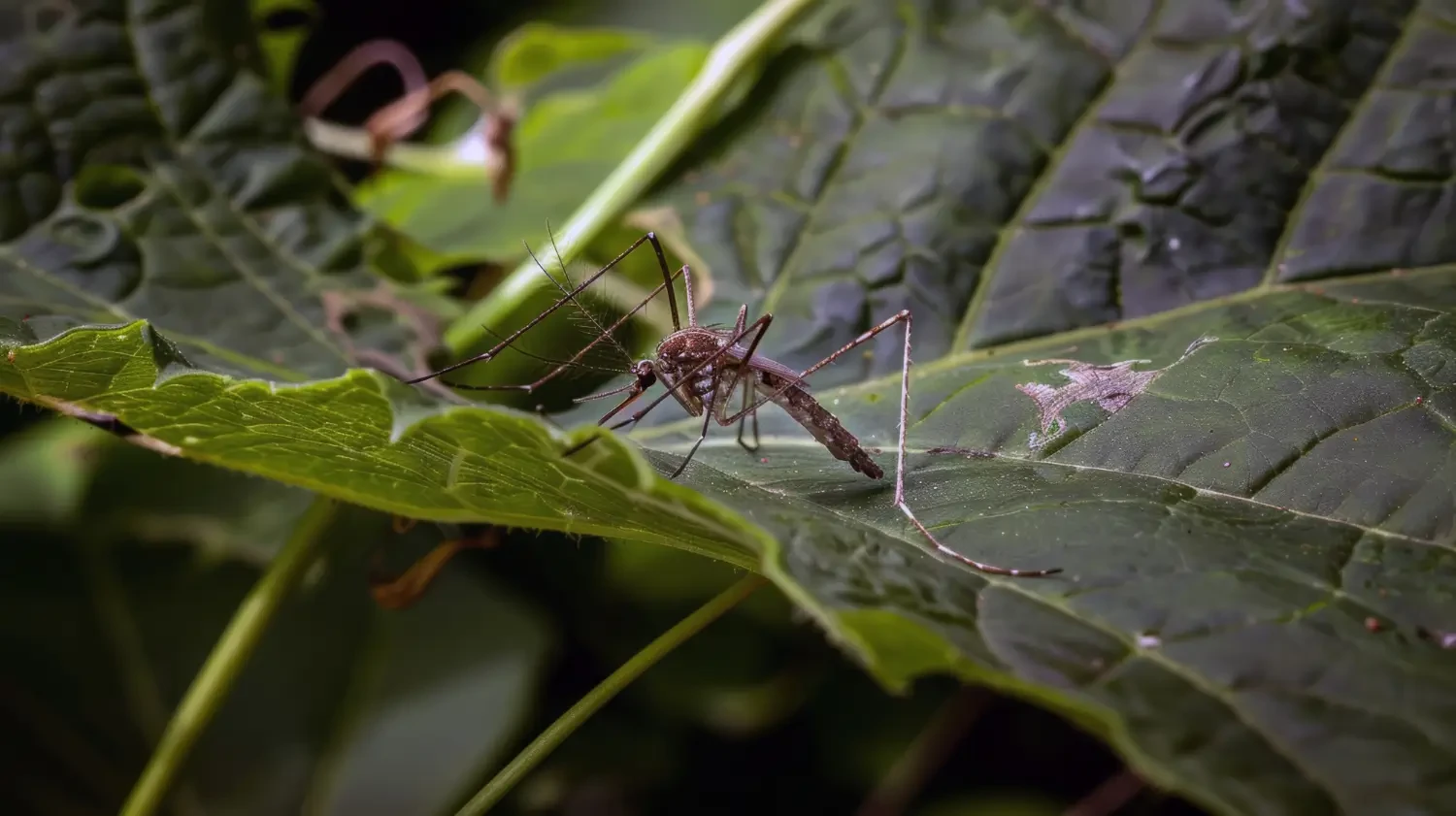
A practical 2026 guide for Calgary homeowners on mosquito control, covering prevention methods, DIY solutions, and when to seek professional help for long-term results.
18 June, 2026
100 Comments
Webnet
4 Mins Read
In Calgary, mosquitoes are more than just a summertime annoyance; they can quickly make your garden, backyard, and outdoor events uncomfortable. Mosquito populations can grow quickly in Calgary due to the city's warm summers, sporadic heavy rainfall, and standing water conditions. The secret to enjoying your outside area throughout the season is knowing how to prevent and manage them.
Everything householders need to know about mosquito prevention, breeding patterns, efficient control techniques, and when expert assistance is required is covered in this guide.
The Reasons Behind Calgary's Mosquito Problem
Mosquito activity is significantly influenced by Calgary's climate. Spring and summer provide perfect breeding circumstances for mosquitoes, but winters are too cold for them to live outside.
Mosquitoes flourish in:
• Standing water following a downpour
• Yards with poor drainage
• Plant saucers, gutters, and birdbaths
• Overuse of sprinklers and irrigation
• Water buildup on construction sites
Mosquito eggs hatch quickly if temperatures climb over 10 to 15°C. Larvae can mature into biting adults in a matter of days.
Not only can mosquitoes cause pain, but they can also spread illness and cause allergic reactions in people who are susceptible. Even if disease risk is relatively minimal in Alberta, the annoyance and disturbance they create are considerable for homeowners.
Knowing the Life Cycle of Mosquitoes: A Crucial Aspect of Control
It's critical to comprehend mosquito growth in order to properly control them:
• Egg Stage: Submerged in or close to still water
• Larva Stage: Consumes organic stuff and lives in water.
• Pupa Stage: Water's transitional stage
• Adult Stage: Emerges and starts consuming blood and nectar.
Since preventing development early stops population expansion, the larval stage is the target of the most effective control strategies.
Common Places for Mosquitoes to Breed Near Homes
Mosquito breeding grounds are frequently underestimated by homeowners. It is possible for even tiny water sources to develop into breeding grounds.
Regularly check these areas:
• Gutter and downspout blockages
• Plant containers and flower pot trays
• Decorative fountains and bird baths
• Unused containers, tires, and buckets
• Low-lying yard spaces with inadequate drainage
• Children's toys left outside
• Water bowls for pets left overnight
Dozens of mosquitoes can be produced using just a bottle cap of water.
Natural Methods for Mosquito Reduction
Natural preventative techniques are preferred by many homeowners over chemical treatments. When used regularly, they considerably lower mosquito populations, though they are not always entirely adequate on their own.
1. Get rid of standing water
The most crucial step is this one. At least once a week, empty or replenish water supplies.
2. Make Use of Mosquito-Repelling Plants
Some plants have a smell that naturally repels mosquitoes:
Lavender
Citronella grass
Basil
Marigold Mint
Mosquito activity can be decreased by planting them near patios and entrances.
3. Take Care of Your Lawn
Tall grass and thick shrubs create resting sites for mosquitoes. Regular pruning decreases hiding areas.
4. Enhance Airflow
Mosquitoes are not very good flyers. They can be kept away by using fans in outdoor seating locations.
Options for Chemical and Do-It-Yourself Mosquito Control
Homeowners frequently use chemical treatments when natural approaches are insufficient.
Mosquito Repellents
By killing adult mosquitoes upon contact, outdoor insect sprays might offer momentary respite. But they frequently need to be applied repeatedly.
Larvicide Therapies
These are used to destroy mosquito larvae before they reach adulthood in standing water. They work well for:
• Ponds
• Water-related features
• Areas with drainage
• Systems for Fogging
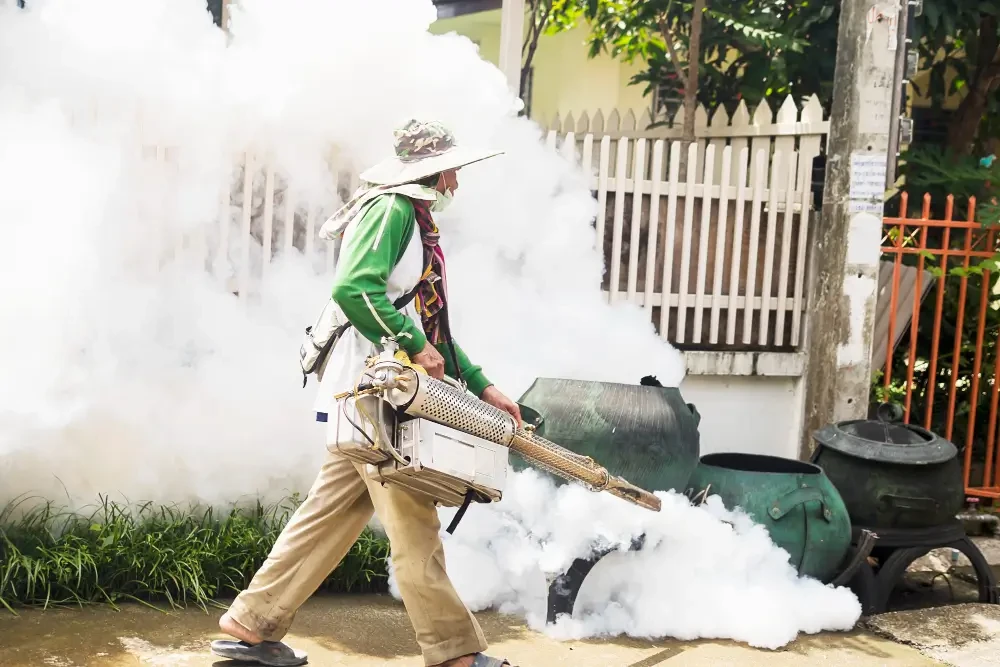
Insecticide mist is released by foggers to swiftly lower adult mosquito populations. The results are transient, though, and reapplication could be necessary.
Mosquito Traps
These gadgets use UV light or CO2 to draw and catch insects. They are useful for population reduction and monitoring, but they function best when combined with other strategies.
Calgary's Seasonal Mosquito Prevention Strategy
Controlling mosquitoes involves seasonal planning and is not a one-time operation.
• Early Spring (April–May)
• Get rid of winter detritus
• Gutter cleanliness
• Examine the drainage systems.
• Prior to hatching, commence preventive therapies.
• Peak Time (June–August)
• Regularly use repellents
• Weekly lawn maintenance
• After a rainstorm, remove any standing water.
If necessary, use sprays and traps.
• September is the late season.
• Cut back on external water sources
• Get the yard ready for winter.
• Last resort if the infestation continues
Why Mosquitoes Continue to Return
Even after treatment, many households continue to have mosquito-related issues. Typical causes include of:
• Unidentified hidden breeding places
• Unreliable treatment plan
• Untreated properties nearby
• Overgrowth and dampness
• Inadequate drainage systems
Elimination and prevention are both necessary for controlling mosquitoes. The population can swiftly reappear if even one breeding source is still operational.
Health Hazards and Comfort Issues
Although mosquitoes are frequently seen as a minor irritation, they can result in:
• Itching and irritation of the skin
• Some people experience allergic responses
• Sleep disturbance brought on by bites at night
• Stress and diminished appreciation of the outdoors
Mosquito protection becomes even more crucial for families with kids or pets.
When to Think About Getting Professional Assistance
Small infestations can be resolved at home, but more serious or persistent issues frequently call for professional assistance.
You might want expert assistance if:
• Every day, there are a lot of mosquitoes.
• DIY remedies don't work.
• You are unable to remove the standing water.
• There are parks, lakes, or other green areas close to your yard.
• Long-term seasonal protection is what you desire.
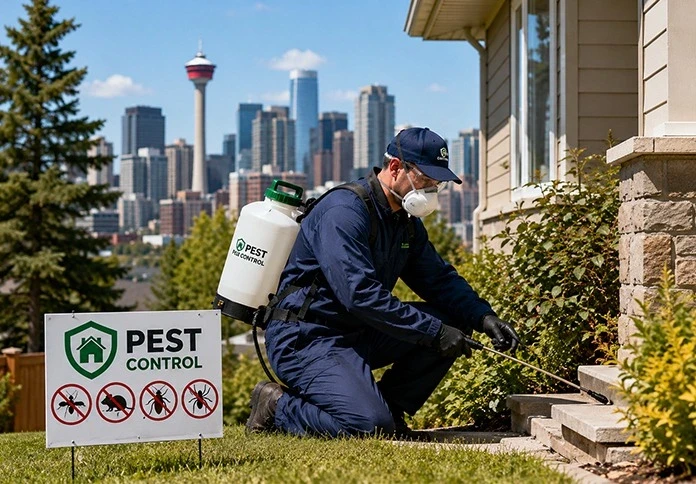
Compared to over-the-counter remedies, professional technicians employ tailored treatments that concentrate on adult mosquito reduction and breeding locations, producing more reliable outcomes.
Local Perspective: Circumstances in Calgary That Boost Mosquito Activity
Mosquito activity in Calgary is significantly impacted by:
• Unexpected summer downpour
• Lawns with a lot of irrigation
• Areas close to the Bow and Elbow rivers that are prone to flooding
• Patterns of warm but muggy weather
Homeowners in these areas may need more frequent preventive treatment because they frequently face increased mosquito pressure.
Since treatments are tailored to local conditions and seasonal trends, local knowledge of mosquito pest control in Calgary is very helpful in this situation.
Homeowners' Long-Term Prevention Advice
Consistency is essential for long-term mosquito control success. These are crucial routines:
• Examine your yard every week.
• Immediately address drainage problems
• Cover the water storage.
• Regularly maintain the landscaping
• Integrate several control techniques
• If necessary, schedule seasonal treatments.
Over time, even modest measures can drastically lower mosquito populations.
Final Thoughts
In Calgary, prevention, timing, and consistency are key components of mosquito management. Homeowners may significantly lower mosquito activity and resume enjoying their outdoor areas by eliminating breeding places, utilizing natural deterrents, and administering tailored treatments when necessary.
Although do-it-yourself techniques might be useful, professional assistance is frequently needed for persistent infestations. For more efficient, long-lasting treatments catered to local conditions, many homeowners rely on pest control Calgary services.
You can keep your yard safe, comfortable, and mosquito-free for the whole 2026 season with the correct plan.