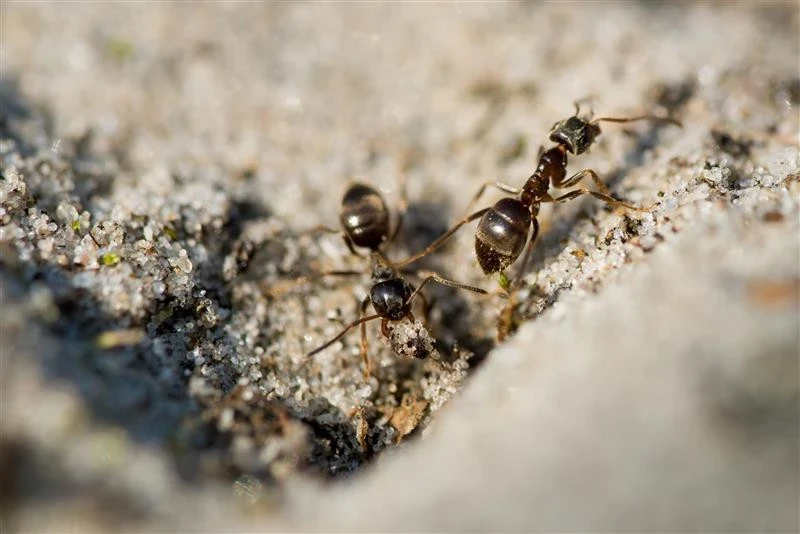
Keeping pests out of your home is not a single task; it is a year-round habit. In Calgary, the challenge changes with every season. The pests that invade your kitchen in May are not the same ones scratching behind your walls in November. A checklist built around Calgary's actual climate, common pests, and housing types gives you something generic pest advice never can: a plan that actually fits where you live.
This guide walks you through a complete seasonal checklist, a room-by-room prevention breakdown, and a clear answer to the question every homeowner eventually asks: When is it time to stop DIYing and call a professional?
Why Calgary Homeowners Need a Pest-Specific Checklist
Calgary sits at a unique intersection of prairie, river valley, and mountain foothills, and that geography shapes which pests are active, when they show up, and how they get inside your home. Mild Chinooks followed by hard freezes create repeated pressure cycles that push pests indoors more aggressively than in more stable climates.
A checklist designed for a home in Vancouver or Toronto does not account for:
- The October–November mice surge that comes with Calgary's rapid temperature drop
- Pavement ant colonies that wake up in May the moment soil temperatures rise above 10°C
- Wasp nest season that peaks in Calgary from mid-July through late August
- Vole damage that only becomes visible in March when snow finally melts, by which point the lawn has already been destroyed
Knowing what to look for, and when, is what separates prevention from reaction.
Calgary Pest Checklist by Season
Spring Checklist (March - May)
Spring in Calgary means snowmelt, warming soil, and pests that have been dormant all winter becoming active again, often inside your home before you realize they overwintered there.
Outdoor tasks:
- Walk your perimeter after snowmelt and look for vole runways; narrow, grass-worn trails across the lawn are the clearest sign
- Inspect your foundation for new cracks, settling gaps, or frost-heave damage that created entry points over winter
- Check window well covers, weep holes, and dryer vents; mice use these through winter and leave them open for ants in spring
- Trim back any shrubs, branches, or mulch that touches your home's exterior; these are ant highways
- Remove any debris, wood piles, or leaf accumulation from against the foundation where earwigs and spiders overwinter
Indoor tasks:
- Check inside kitchen cabinets and under the sink for pavement ant trails; the first scouts appear in May
- Inspect basement walls and window frames for carpenter ant activity: look for small piles of sawdust-like frass near wood
- Check stored winter clothing and linens for signs of silverfish damage (irregular holes, small silver scales nearby)
- Inspect garage door seals and the gap under your garage door; mice compress their bodies to squeeze through gaps as small as 6 mm
Summer Checklist (June - August)
Summer is wasp season and ant peak season in Calgary. It is also when mosquitoes, spiders, and the first earwig invasions become noticeable.
Outdoor tasks:
- Inspect eaves, deck undersides, fence posts, and garden sheds for early wasp nest construction. Small nests caught in June are much easier to remove than established colonies in August
- Eliminate standing water in your yard: clogged gutters, low-lying areas, bird baths, and plant saucers all breed mosquitoes within 72 hours of rainfall
- Check where exterior pipes, cables, and gas lines enter your home and seal any gaps with steel wool and foam Keep outdoor garbage bins lidded and away from the home's exterior; wasps, ants, and raccoons are all drawn to accessible food waste
- Inspect your deck and fence posts for carpenter ant tunnelling: tap wood with a screwdriver; a hollow sound indicates activity inside
Indoor tasks:
- Check window screens for tears or gaps; spiders and earwigs enter through damaged screens as temperatures climb
- Inspect pantry and dry goods for any signs of grain weevils or Indian meal moths: small beetles, webbing, or larvae in flour, oats, and grains
- Look behind and beneath kitchen appliances for pavement ant foraging trails
- Check your attic in July for signs of wasp nests built from inside; this is the most common hidden nest location in Calgary homes
Fall Checklist (September - November)
Fall is the most critical season for Calgary pest prevention. As temperatures drop, mice, rats, spiders, and boxelder bugs all move toward the warmth of your home. The window between mid-September and end of October is when most mouse infestations begin.
Outdoor tasks:
- Seal all exterior entry points before the first hard frost: check where utilities enter, gaps around the garage door frame, cracks in the foundation, and spaces around basement window wells
- Pack steel wool tightly into any gap larger than 6 mm before covering with foam sealant; mice chew through foam alone
- Clear garden beds and remove dense ground cover adjacent to your foundation where mice nest before moving inside
- Stack firewood at least 30cm off the ground and away from the home's exterior; woodpiles are prime mouse nesting sites
- Check for boxelder bugs gathering on the south and west-facing walls of your home in September; they are looking for overwintering entry points
Indoor tasks:
- Inspect the garage for mouse droppings along baseboards, behind stored items, and near the water heater
- Check behind the stove, refrigerator, and dishwasher for droppings, gnaw marks, or greasy rub marks along walls
- Listen for scratching sounds in walls and ceilings at night; mice are most active between midnight and 4 a.m.
- Seal gaps around interior plumbing pipes under sinks with steel wool; this is the #1 indoor entry pathway for mice
- Move pet food into sealed hard containers; open bags of kibble are a primary attractant for mice and ants
Winter Checklist (December - February)
Winter in Calgary is not pest-free; it is when indoor infestations that started in fall become fully established. Mice breed year-round indoors, and cockroach or silverfish populations that went unnoticed in the fall can expand significantly through winter.
Indoor tasks:
- Inspect basement storage areas monthly for new mouse droppings, gnaw marks on cardboard boxes, or nesting material (shredded fabric, paper, insulation)
- Check underneath and behind appliances in the utility room and kitchen for rodent activity
- Inspect the area around your furnace and water heater ,the warmth attracts mice and the gaps around pipes provide access
- Look inside stored holiday boxes and seasonal bins before bringing them into living areas ,mice nest inside undisturbed storage
- Check bathrooms and laundry areas for silverfish, which thrive in humid environments: look along baseboards, under bathmats, and inside vanity cabinets
- If you see a live mouse during daylight hours, take it seriously; daytime sightings indicate an infestation large enough that the population is competing for space and food
Room-by-Room Prevention Guide
Kitchen
Primary risk: Pavement ants (spring/summer), mice (fall/winter), grain weevils (year-round)
Look for ant trails along the backsplash, droppings behind the stove and under the sink, larvae or webbing in dry goods. Keep food in hard-sided airtight containers, not sealed bags ,mice chew through plastic bags in seconds. Fix any dripping tap under the sink immediately; even a slow drip provides enough water to sustain a mouse colony.
Basement
Primary risk: Mice, carpenter ants, spiders, silverfish
The basement is where most Calgary infestations begin and where they are hardest to detect early. Inspect along the top of the foundation wall where it meets the floor joists; this junction is a common gap point. Check exposed wood beams for carpenter ant frass. Keep the basement as dry as possible: silverfish and earwigs require humidity to survive.
Garage
Primary risk: Mice (year-round), wasps (summer), spiders
The garage is the most common entry point for mice in Calgary detached homes. The gap under a standard garage door is often large enough for a mouse to pass through without effort. Check the rubber seal along the bottom of the door and replace it if it is cracked or compressed. Do not store pet food, birdseed, or grass seed in the garage in paper or thin plastic bags.
Attic
Primary risk: Mice, wasps, squirrels (spring/fall)
Attics are the most overlooked pest environment in Calgary homes. Check in July for wasp nests built against rafters and in September for signs of mice entering through roofline gaps. Soffit vents with damaged mesh are one of the most common attic entry points for both wasps and rodents.
Bathrooms and Laundry
Primary risk: Silverfish, drain flies, cockroaches (in multi-unit buildings)
Silverfish are a sign of excess humidity. Improve ventilation with a bathroom fan and check for slow plumbing leaks inside vanity cabinets. In Calgary apartments and condos, cockroaches can migrate through shared plumbing walls , if you see one, do not wait to call a professional.
DIY vs Professional: When to Call for Help
Knowing how to get rid of mice, ants, or wasps on your own is genuinely useful for minor, early-stage problems. A few well-placed snap traps can handle a single mouse that wandered into the garage. A wasp nest the size of a golf ball, caught in June, can sometimes be treated with a can of freeze spray after dark. A trail of pavement ants can often be disrupted with boric acid bait.
But there are situations where DIY is not just ineffective ,it gives the infestation time to grow while you cycle through products that are not working. Call a professional pest control Calgary service when:
- You have caught more than two mice in the first week ,the population is larger than one or two individuals
- You see mice during the day, which signals an established colony
- Ant trails return within days of treatment, which indicates a colony inside the structure rather than just foraging from outside
- You find a wasp nest larger than a baseball, or one located inside a wall or ceiling void
- You see cockroaches; a single cockroach sighting in a Calgary home or apartment warrants professional treatment, as they do not arrive alone
- Any pest issue persists after two rounds of DIY treatment
Frequently Asked Questions
What are the most common pests in Calgary homes by season?
In spring, pavement ants and carpenter ants emerge as soil warms. Wasps are most active from late June through August. Fall brings mice indoors as temperatures fall, typically starting in September ,along with boxelder bugs and spiders seeking overwintering sites. Winter sees mice, silverfish, and cockroaches (in multi-unit buildings) as the primary active pests.
Are termites a problem in Calgary?
No. Termites cannot survive Alberta's climate and are not an established pest in Calgary or anywhere in the province. If you have wood damage, the more likely culprit is carpenter ants ,a common Calgary pest that excavates galleries inside softwood and causes similar structural damage over time.
When is the best time to schedule professional pest control in Calgary?
The two highest-value times are early spring (April–May), before ant and wasp seasons begin, and late summer or early fall (August–September), before mice begin their push indoors. Preventive treatments in these windows cost less and are more effective than reactive treatments after an infestation is established.
How do I know if I have mice or rats in Calgary?
Mice leave smaller droppings (3–6mm, pointed ends), prefer to nest close to food sources, and are most active along walls. Rats are much larger, leave bigger droppings (12–20mm), and are more common in commercial areas of Calgary than in residential neighbourhoods. Most Calgary homeowners dealing with a rodent problem have mice, not rats.
Is professional pest control safe for children and pets in Calgary?
Licensed Calgary pest control technicians are required to use Health Canada-registered products applied according to label directions. Most modern treatments are low-toxicity and dry quickly. Your technician will give you specific instructions for how long to keep children and pets out of treated areas ,typically two to four hours for indoor treatments.
What pests does Calgary's climate make worse than other Canadian cities?
Calgary's rapid temperature swings ,particularly the fast drop in October ,create an unusually aggressive mice entry season compared to warmer cities. Voles are also more destructive in Calgary than in most Canadian urban centres due to the surrounding prairie environment. Chinook cycles in winter can temporarily reactivate ant colonies that other cities' homeowners would not see again until April.
Final Thoughts
A good pest control checklist is not a one-time document ,it is a habit. The homeowners who rarely deal with serious infestations are the ones who spend twenty minutes each season walking their property, checking the basement, and catching small problems before they become expensive ones
If this checklist turns up something you are not sure how to handle, or if you are already dealing with an active infestation, YYC Pest Control provides free inspections across Calgary, Airdrie, Cochrane, Okotoks, and Chestermere. Our AHS-licensed technicians can identify the problem, explain your options, and give you a transparent quote ,no pressure, no guesswork.
YYC Pest Control Ltd. | Licensed by Alberta Health Services | Serving Calgary and surrounding communities | Book your free inspection online or call us today