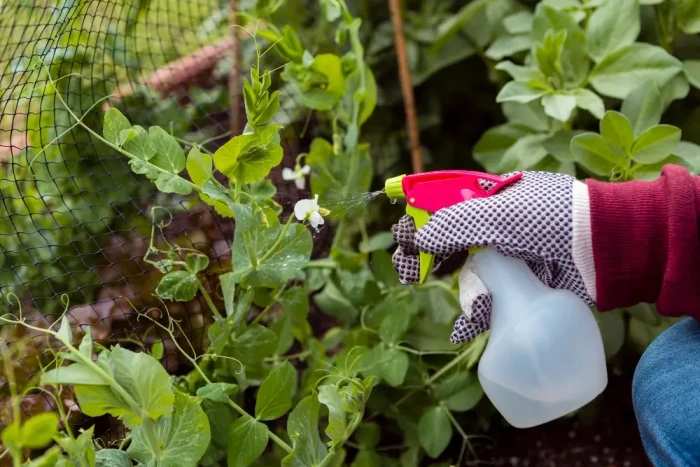
Calgary's short but intense growing season makes every square foot of garden space precious. From Tuscany to Mahogany, from Evergreen to McKenzie Lake, Calgary homeowners invest heavily in their lawns, vegetable beds, flower gardens, and fruit trees. But lurking beneath the leaves, in the soil, and along fences are dozens of garden pests ready to undo months of hard work.
What makes 2026 different? A combination of warmer Chinook winters, earlier spring thaws, and shifting insect migration patterns means Calgary is seeing pest activity earlier in the season and in greater numbers than previous decades. Understanding what you're dealing with and when to escalate from DIY to professional help is the most important thing a Calgary gardener can do this year.
This guide covers identification, damage signs, prevention, and professional solutions for every major garden pest threatening Calgary properties in 2026.
What Are the Most Common Garden Pests in Calgary?
Calgary's semi-arid climate and cold winters mean the pest population is different from Vancouver or Toronto. However, the city's irrigated green spaces, mature tree canopy, and urban sprawl create ideal conditions for a surprisingly wide range of insects, arachnids, and rodents.
The most common garden pests reported in Calgary in 2026 include the following:
- Aphids cluster on the undersides of leaves and feed on plant sap
- Cutworms: Soil-dwelling larvae that sever seedlings at the base overnight
- Cabbage loopers: Devour brassica crops like kale, broccoli, and cabbage
- Earwigs: Feed on tender flowers, seedlings, and organic debris
- Whiteflies: Tiny, sap-sucking insects that spread plant disease
- Flea beetles leave dozens of tiny holes in leafy vegetables
- Wireworms: Tunnel through root vegetables like carrots and potatoes
- Grasshoppers: A growing threat in Calgary's outer communities
- Spiders: While mostly beneficial outdoors, certain species migrate indoors
- Wasps: Build nests in garden structures and pose stinging risks
- Mice and voles feed on bulbs, seeds, and root systems underground
How to Identify Garden Pest Damage in Calgary
One of the biggest challenges Calgary gardeners face is distinguishing pest damage from disease, frost burn, or nutrient deficiency. Here's a quick identification framework:
- Holes in leaves → Flea beetles, caterpillars, or slugs
- Wilting despite adequate water → Root-feeding insects like wireworms or cutworms
- Sticky residue on leaves → Aphids or whiteflies (look for honeydew)
- Chewed stems at soil level → Cutworms
- Tunnels in root vegetables → Wireworms or voles
- Yellowing leaves with fine webbing → Spider mites
- Missing bulbs underground → Voles or mice
- Collapsed seedlings overnight → Cutworms or damping-off
When damage is widespread, spreads quickly, or appears in multiple garden beds simultaneously, it's time to consider professional assessment rather than trial-and-error home remedies.
Season-by-Season Pest Guide for Calgary Gardens
Spring (April – May): Wake-Up Call
Calgary's spring is pest season's opening act. As temperatures climb above 5°C, overwintered eggs hatch and soil insects become active.
Watch for cutworms, aphids (especially on emerging perennials), and flea beetles on early brassica transplants. This is also when ant control Calgary homeowners should monitor for carpenter ant activity in moist wood near garden beds, raised planters, and compost bins. Carpenter ants don't eat wood but excavate it for nesting, causing structural damage over time.
Prevention tip: Apply beneficial nematodes to soil in May when the ground temperature reaches 10°C. They target cutworms, grubs, and flea beetle larvae naturally.
Summer (June – August): Peak Infestation Season
Summer is when Calgary gardens face the heaviest pest pressure. Warm days accelerate insect reproduction cycles dramatically.
Watch for: Cabbage loopers, whiteflies, earwigs, and, critically, wasps. By mid-July, wasp colonies reach peak population. A single colony can contain over 5,000 workers by August. If you discover a nest under a deck, inside a garden shed, in a fence post cavity, or hanging from a tree, do not disturb it. Wasp nest removal Calgary professionals have the protective equipment and treatment products needed to eliminate nests safely without provoking mass stinging. DIY removal attempts in Calgary's summer are responsible for a significant number of emergency room visits annually.
Prevention tip: Remove fallen fruit quickly, keep compost bins sealed, and avoid leaving sugary drinks or food outdoors; these all attract foraging wasps into your garden space.
Fall (September – October): The Invasion Window
As temperatures drop, pests that spent summer in your garden begin looking for warmth inside your home.
Watch for spiders moving from garden areas toward basement windows and foundation gaps. While most Calgary spiders are harmless, their presence indoors is unwanted and can signal larger insect populations they're feeding on. Spider control Calgary services offer exterior perimeter treatments in September and October that create a barrier before spiders migrate inside for winter.
This season also sees grasshoppers laying eggs in undisturbed soil, and voles tunneling under mulch and snow cover to feed on root systems and bulbs throughout winter.
Prevention tip: Pull back mulch from foundation edges in October, seal gaps around utility entry points, and remove garden debris that provides overwintering habitat for pests.
Winter (November – March): Hidden Threats
Calgary's winter creates a false sense of security. While most insects are dormant, rodents are not.
Watch for mice and voles actively feeding underground through snow cover. Vole damage is often discovered in spring: entire sections of lawn eaten to bare soil, bulbs hollowed out, and young tree bark gnawed at the base. Mice control Calgary services use tamper-resistant bait stations and exclusion techniques to address rodent pressure before it becomes a full infestation. Acting in November is significantly more effective than waiting until spring damage is already done.
Prevention tip: Set tamper-resistant bait stations along fence lines and garden perimeters in November, install wire mesh guards around young tree trunks before the first snowfall, and seal foundation gaps with steel wool to stop mice and voles from causing hidden root and bark damage beneath Calgary's winter snow cover.
Organic vs. Chemical Pest Control: What Works in Calgary?
Calgary gardeners increasingly prefer integrated pest management (IPM), a tiered approach that starts with the least invasive methods.
Tier 1: Physical controls: Row covers, copper tape for slugs, sticky traps, hand-picking
Tier 2: Biological controls: Beneficial nematodes, ladybug introduction, companion planting (marigolds repel aphids and nematodes)
Tier 3: Organic sprays: Neem oil, insecticidal soap, diatomaceous earth
Tier 4: Professional treatment: Targeted chemical application by licensed technicians when infestations exceed manageable thresholds
It's important to note that many over-the-counter pesticides available in Calgary are not approved for use near vegetable crops or in proximity to pollinators. A licensed pest control Calgary company will identify the correct product, apply it at the correct rate, and advise you on re-entry intervals, ensuring your garden, your family, and local pollinators stay safe.
When Should You Call a Professional Pest Control Company in Calgary?
Many Calgary gardeners wait too long before calling professionals. Here are clear signals it's time to escalate:
- Pest damage is spreading despite two or more DIY treatment attempts
- You've found a wasp, hornet, or yellow jacket nest on your property
- Spiders, earwigs, or ants are entering your home from the garden
- You suspect a rodent infestation based on chewing, tunnels, or droppings
- You're growing food crops and need food-safe treatment options
- Your garden borders a natural area, ravine, or green belt (higher pest pressure zones)
Calgary has several provincially licensed pest management companies that specialize in both indoor and outdoor environments, treating your garden and home as a connected ecosystem rather than separate problems.
Related pest control guides: How to get rid of ants · How to get rid of wasps
Frequently Asked Questions
Q: What is the most destructive garden pest in Calgary?
A: Cutworms and voles cause the most widespread and economically damaging losses for Calgary vegetable and ornamental gardeners, particularly in spring and winter, respectively.
Q: Are Calgary spiders dangerous?
A: Most Calgary spiders are harmless and beneficial. However, the hobo spider and yellow sac spider, both present in Calgary, can cause mild reactions. Keep garden gloves on when working in debris piles.
Q: How do I prevent wasps from nesting in my garden?
A: Inspect garden structures, eaves, and hollow fence posts in early May before queens establish colonies. Seal any cavities you find. By June, colonies are established, and professional removal is the safest option.
Q: Can garden pests survive Calgary winters?
A: Many do, as eggs in soil, as adults in bark, or as pupae in plant debris. Thorough fall garden cleanup significantly reduces the overwintering pest population for the following spring.
Identify the garden visitor before treating plants
Chewed leaves, sticky residue and damaged stems can have different causes. Check the undersides of leaves and look for the insect itself before choosing a treatment; not every insect in a Calgary garden is harmful.
Start with plant health, appropriate watering and removing badly affected material where suitable. Protect pollinators and follow pesticide labels carefully if a product is necessary.
Final Thoughts: Protect Your Calgary Garden in 2026
Calgary's 2026 growing season offers incredible potential, but only for gardeners who stay ahead of pest pressure. Early identification, seasonal prevention, and knowing when to call professionals are the three pillars of a pest-free Calgary garden.
Whether you're dealing with aphids on your roses in Bridgeland, a wasp nest in your Shawnessy shed, or voles tunneling through your Signal Hill lawn, the right strategy starts with knowing your enemy.
Looking for professional help? Always choose a licensed, insured pest management company familiar with Calgary's unique climate zones and Alberta's pesticide regulations.