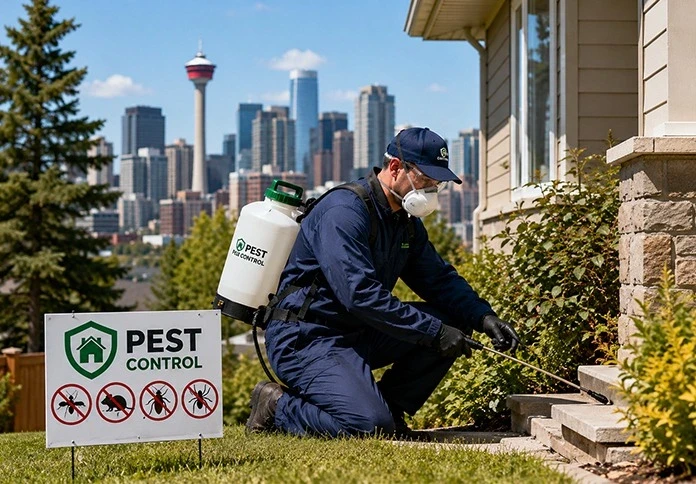
Flies are among the most frustrating household pests. They seem to appear out of nowhere, buzz around food, contaminate surfaces, and multiply quickly if left unchecked. Whether you're dealing with house flies in your kitchen, fruit flies around produce, or cluster flies near windows, understanding how to eliminate them is the first step toward a healthier and more comfortable living environment.
If you're searching for reliable fly control Calgary solutions, it's important to know that successful fly management starts with identifying the source of the infestation and implementing long-term prevention strategies. Many homeowners who seek pest removal services often discover that a combination of sanitation, exclusion, and targeted treatments provides the most effective results.
Why Are Flies a Problem?
Flies are more than just a nuisance. They can carry bacteria and pathogens from garbage, animal waste, and decaying organic matter directly onto food preparation surfaces and household items.
Some common concerns associated with flies include:
* Food contamination
* Spread of bacteria and germs
* Unpleasant odors from breeding sites
* Rapid population growth
* Constant annoyance indoors and outdoors
Because flies reproduce quickly, a minor issue can turn into a significant infestation within a short period.
What Attracts Flies to Your Home?
Understanding what attracts flies is essential for long-term control.
Food Sources
Flies are highly attracted to:
* Leftover food
* Fruit and vegetables
* Sugary drinks
* Pet food
* Organic waste
Even small food particles left on countertops can attract flies.
Moisture and Standing Water
Many fly species seek moisture-rich environments for breeding. Common sources include:
* Leaky pipes
* Damp basements
* Clogged drains
* Standing water around the property
Garbage and Organic Waste
Overflowing trash bins and compost piles create ideal breeding conditions for flies.
Animal Waste
Pet waste left outdoors can quickly attract flies and encourage egg-laying activity.
Common Types of Flies Found Around Homes
Different fly species require different treatment approaches.
House Flies
House flies are among the most common pests found indoors. They typically enter homes through open doors and windows while searching for food.
Fruit Flies
Fruit flies are tiny insects attracted to:
* Overripe fruit
* Fermenting food
* Sugary liquids
* Dirty drains
They often appear in kitchens and food storage areas.
Drain Flies
Drain flies thrive in organic buildup inside drains and plumbing systems.
Signs include:
* Small moth-like insects
* Increased activity near sinks
* Presence around floor drains
Cluster Flies
Cluster flies typically gather around windows and attics, especially during colder months.
How to Get Rid of Flies Naturally
Many homeowners prefer starting with natural methods before considering professional treatments.
Keep Your Home Clean
Sanitation is the foundation of effective fly prevention.
Prevention is often easier than eliminating an established infestation.
Seal Entry Points
Inspect your home for gaps around:
* Doors
* Windows
* Utility lines
* Vents
Use weather stripping and caulking to close openings.
Store Food Properly
Always keep food in sealed containers and refrigerate perishables promptly.
Maintain Regular Cleaning Routines
Consistent sanitation prevents flies from finding food and breeding opportunities.
Key tasks include:
* Sweeping floors
* Cleaning drains
* Emptying trash
* Disinfecting surfaces
Monitor Problem Areas
Regularly inspect:
* Kitchens
* Garbage storage areas
* Basements
* Utility rooms
Early detection can prevent larger infestations.
Frequently Asked Questions
Q: What Is the Fastest Way to Get Rid of Flies?
The fastest solution combines sanitation, trapping, and eliminating breeding sites. Removing food sources and moisture immediately reduces fly activity.
Q: Why Do I Suddenly Have So Many Flies in My House?
A sudden increase often indicates a nearby breeding source such as garbage, spoiled food, clogged drains, or animal waste.
Q: Do fly sprays work?
Many fly sprays provide temporary relief by killing adult flies. However, they do not address breeding sites, making long-term prevention essential.
Q: How Long Does It Take to Eliminate a Fly Infestation?
The timeline depends on the infestation size and species involved. Minor issues may improve within a few days, while larger infestations can require several weeks of consistent treatment.
Q: When Should I Call a Professional?
If flies continue returning despite sanitation efforts, professional inspection may be necessary to identify hidden breeding areas and implement targeted control measures.
Final Thoughts
Getting rid of flies requires more than simply swatting the insects you see. Effective fly management involves identifying attractants, removing breeding sites, maintaining proper sanitation, and preventing future access to your home. By combining natural remedies, exclusion techniques, and proactive maintenance, homeowners can significantly reduce fly activity and create a cleaner, healthier environment.
The key to long-term success is consistency. Regular cleaning, proper waste management, moisture control, and routine inspections from pest control Calgary experts will help keep flies away and prevent recurring infestations throughout the year.