What to Do If You Find Carpenter Ants in Calgary
Carpenter ant control in Calgary starts with finding the nest or the conditions supporting it, not simply spraying the ants you can see. If ants are appearing indoors, especially near windows, sinks, roofs, decks, soffits, walls, or damaged wood, contact YYC Pest Control for an inspection. A technician can trace activity, look for moisture and access points, recommend a treatment plan, and explain what needs to happen next.
How to tell whether the sighting may indicate a nest
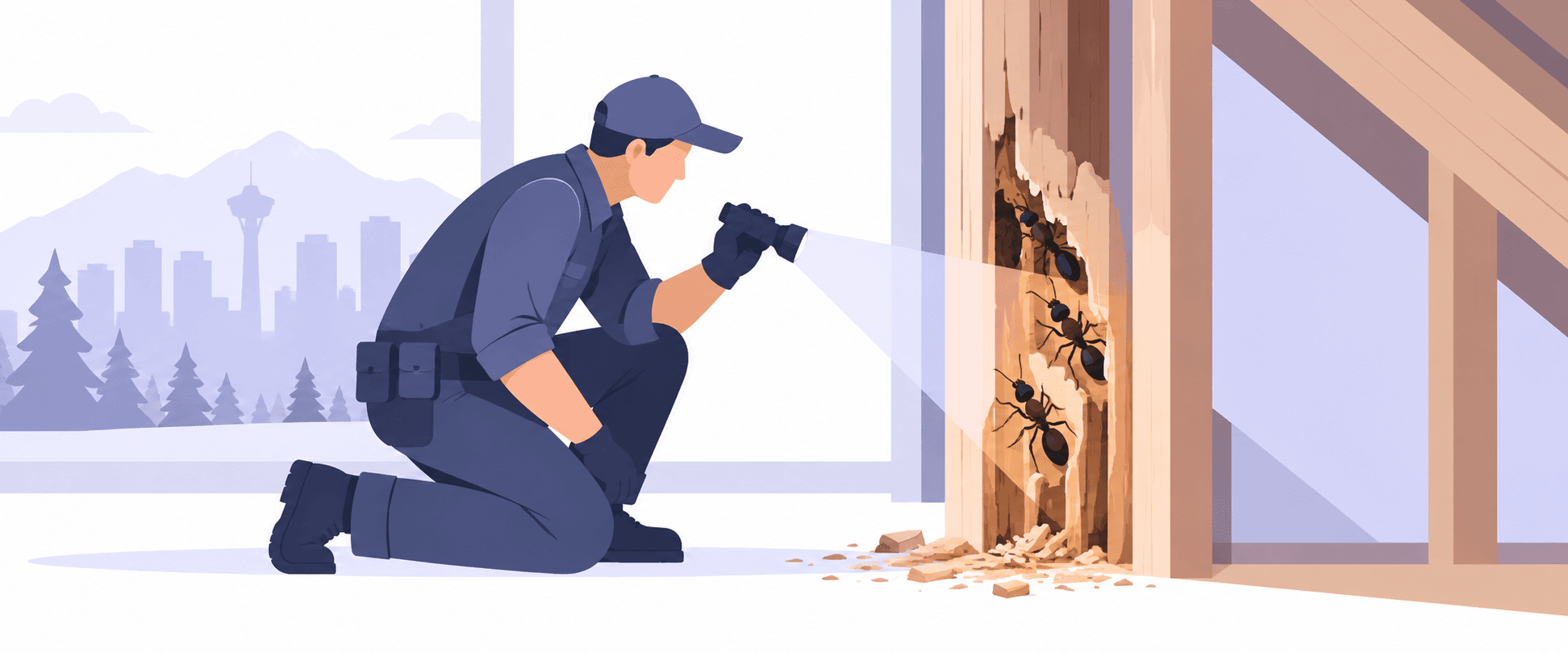
A single ant outside may have wandered in. Repeated sightings, ants appearing in different rooms, or activity at the same location can indicate a nearby colony or an established route into the building. Carpenter ants are often seen around window frames, baseboards, ceilings, wall voids, roof edges, decks, sheds, and areas where wood has been exposed to moisture.
Winged ants can also be an important sign. Their presence may mean a mature colony is producing reproductive ants, although identification still requires inspection. Small piles of wood debris, faint rustling inside a wall, or ants emerging from cracks can also help a technician narrow down the source.
Not every large black ant is a carpenter ant, and other ant species may require a different approach. Photograph the insect if you can do so safely, but do not delay an inspection when sightings are frequent or concentrated in one part of the building.
What to check before contacting a pest control company
Before requesting service, note where and when you see the ants. The following information can help the technician prepare:
- The rooms, exterior walls, roof areas, or structures where ants have appeared
- Whether the ants are active during the day, at night, or after rain
- Any sawdust-like debris, damaged wood, moisture staining, or soft wood
- Recent leaks, plumbing work, roof repairs, renovations, or landscaping
- Whether ants are entering near windows, utility lines, vents, doors, decks, or the foundation
- Any previous treatment and whether the activity returned afterward
- The presence of children, pets, tenants, customers, employees, or food-preparation areas
Avoid covering the suspected entry point before the inspection. Sealing an opening too early can make the ants change routes and may make the source harder to identify. Keep the area accessible and preserve useful evidence, such as debris or photographs.
When an indoor sighting needs prompt professional attention
Prompt attention is appropriate when carpenter ants are appearing repeatedly indoors, emerging from a wall or ceiling, or showing up in a kitchen, bedroom, office, restaurant, rental unit, or other occupied space. Activity near a roof, soffit, deck, attic, or plumbing area deserves attention because moisture or damaged wood may be involved.
A fast response is also reasonable when the infestation is affecting a business, delaying a renovation, disturbing tenants, or creating concern about customers, employees, or pets. If you see winged ants indoors or activity in several areas, tell the company when you request service so the urgency and inspection scope are clear.
How YYC Pest Control Identifies the Source
Which indoor and outdoor areas a technician inspects
A carpenter ant inspection should follow the activity rather than focus only on the room where ants were first noticed. Inside, the technician may inspect baseboards, window and door frames, wall openings, ceilings, utility penetrations, kitchens, bathrooms, attics, and areas around plumbing or heating systems.
Outside, the inspection may include foundation edges, siding, rooflines, soffits, fascia, decks, sheds, fences, landscaping, firewood, and areas where branches or other materials touch the building. The technician may also check whether ants are travelling along wires, pipes, trim, or other protected routes.
The goal is to connect visible activity with a likely nesting location or access route. A home inspection may differ from an apartment, restaurant, warehouse, or rental property inspection because construction, occupancy, and access are not the same.
How moisture, damaged wood, and access points affect the investigation
Carpenter ants are associated with wood that has become damp, damaged, or easier to excavate. A leak, blocked drainage point, roof issue, poorly sealed window, or water collecting near the foundation can make an area more suitable for nesting. The technician will look for these conditions without assuming that every damaged area contains the colony.
Access points matter because ants may enter from outside and travel through concealed spaces. Cracks, gaps, utility openings, roof joints, soffits, vents, and damaged seals can all be relevant to the investigation. The inspection should identify both the source of activity and the route ants use to reach occupied areas.
Finding moisture or damaged wood does not necessarily mean the pest company performs the repair. The technician can explain what was observed and identify repairs or sealing work that may be needed to reduce the chance of continued activity.
Why treating visible ants alone may not solve the problem
Visible ants are often only part of the infestation. If treatment reaches exposed workers but the nest, entry route, or moisture problem remains, activity may continue or appear again in another location.
A temporary reduction in sightings can therefore be misleading. The technician needs to consider where ants are coming from, how they are moving through the structure, and whether conditions are allowing the colony to remain established. This is why an inspection-led plan is more useful than choosing a treatment based only on the first place an ant was seen.
For background on how the company approaches ant problems, see YYC Pest Control’s ant control service. The relevant plan for carpenter ants still needs to be selected after examining the property.
Carpenter Ant Treatment Options
How the treatment plan is selected after inspection
The treatment plan is selected after the technician considers the ant species, activity level, likely nest location, access points, building conditions, and who uses the space. A detached home may require a different approach from an apartment wall, restaurant, office, or multi-unit property.
The plan may address indoor activity, exterior routes, concealed voids, or areas around the building where ants are entering. The technician should explain what will be treated, what access is needed, and whether moisture correction, repairs, or exclusion should be arranged separately.
Ask what the treatment is intended to accomplish and what signs should be watched for afterward. A clear explanation helps you distinguish expected post-treatment activity from a reason to call back for further review.
Where professional-grade products may be applied
Professional-grade products may be applied in targeted areas identified during the inspection. Depending on the findings, this can include locations where ants are active, routes they use to enter, suitable exterior areas, or approved concealed spaces. The exact application depends on the building and product label directions.
Applications should not be made casually around food, children, pets, or occupied rooms. The technician should identify any areas that need to be cleared and explain how long people or animals must stay away, if re-entry restrictions apply.
Do not assume that a larger amount of product means better control. Proper placement, access to the likely source, and following the product label are more important than treating every surface.
What homeowners, tenants, and staff should do before treatment
Before treatment, remove or cover food, dishes, pet bowls, and food-contact items in the areas identified by the technician. Clear clutter from baseboards, wall edges, cupboards, utility rooms, or other locations that must be inspected or treated.
Tenants should notify the property manager if the technician needs access to another unit, a shared space, a balcony, a mechanical room, or an exterior area. Staff at commercial premises should follow the manager’s preparation instructions and keep customers away from work areas.
Do not move bait, spray household insecticide, or wash away evidence immediately before the visit unless the technician tells you to do so. These actions can interfere with the inspection and make activity harder to track.
What Happens During a Calgary Service Visit
What to expect when you request a quote or fast response
When requesting a quote or fast response, provide the property address, the type of building, the locations of sightings, and whether ants are active right now. Mention any urgent concern involving tenants, customers, employees, pets, food preparation, a renovation schedule, or a suspected wall or roof nest.
YYC Pest Control provides residential pest control services and commercial service, so explain the setting at the first contact. The company can then determine what type of inspection is appropriate and what information is needed before arranging the visit.
Response timing can depend on availability, location, access, and the urgency described. Be direct about the problem rather than assuming the company knows whether the situation is confined to one room or affecting the entire property.
How technicians explain findings and recommended next steps
After inspecting, the technician should explain where ants were found, what conditions may be contributing to the activity, and which areas could not be confirmed. Ask for the recommendation in practical terms: what will be treated, what you need to prepare, and whether any repair or sealing work is still required.
A useful explanation should also cover follow-up expectations. Ask what activity is normal after treatment, when to report continued sightings, and whether another inspection may be needed if ants remain visible.
For a broader overview of the company and its service approach, you can review YYC Pest Control’s About Us page. The on-site inspection remains the basis for decisions about a particular property.
What may happen after the initial treatment
Some activity may remain visible after treatment, particularly if ants are travelling from concealed areas or if the colony has more than one route. The important question is whether activity is declining and whether ants continue to emerge from the same source.
Follow the aftercare instructions and record new sightings with dates, locations, and photographs where possible. Contact the company if activity continues in the treated area, spreads to a new area, or appears connected to a previously inaccessible nest location.
Further service may involve reassessing the original findings, checking for untreated access points, or coordinating with the owner or manager about repairs. Do not arrange repeated applications without first asking what has changed and why additional work is recommended.
Safety and Preparation for Ant Treatment
How to prepare children, pets, food, and living areas
Keep children and pets away from the work area before, during, and after treatment as instructed. Remove food, dishes, toys, bedding, and pet items from locations that may be treated or inspected.
In a business, separate the treatment area from customers and staff. Restaurants and food-handling premises should follow their internal food-safety procedures as well as the technician’s preparation instructions.
Tell the technician about pets, fish tanks, allergies, medical concerns, children, vulnerable occupants, and any rooms that cannot be left vacant. This information helps the technician explain practical precautions before applying a product.
What to ask about Health Canada-approved products
Ask which products are being considered, where they will be applied, and whether they are registered for the intended use. You can also ask whether the products are Health Canada-approved and what label instructions apply to your property.
The technician should explain precautions in plain language rather than leaving you to guess. Ask specifically about food storage, ventilation, pets, children, treated surfaces, and re-entry timing.
A product being approved does not remove the need to follow directions. Safe treatment depends on correct application, appropriate access restrictions, and careful aftercare.
How to follow re-entry and aftercare instructions
Follow the technician’s re-entry instructions exactly, including any time limits, ventilation guidance, and instructions about touching or cleaning treated areas. Do not let children or pets return simply because the treatment area looks dry unless the instructions permit it.
Avoid washing, vacuuming, or disturbing treated locations until you have been told it is appropriate. If you notice an unusual reaction, a spill, or an unexpected exposure, contact the company promptly and follow the product label’s safety directions.
Preventing Carpenter Ants from Returning
Which cracks, gaps, and utility openings should be sealed
After treatment, inspect the building for openings that allow ants to enter. Relevant locations may include gaps around windows and doors, cracks in foundation or siding, openings around pipes and cables, roof and soffit joints, vents, and damaged seals.
Sealing should be based on the inspection rather than done randomly. If ants are still using an opening, closing it without addressing the activity inside can push them into another part of the building.
How to reduce moisture and wood-to-soil contact
Correct leaks, drainage problems, damaged roof areas, and other sources of persistent moisture. Keep wood, debris, and stored materials from remaining in direct contact with the building where practical, and pay attention to damp areas near decks, sheds, foundations, and exterior walls.
Trim vegetation or branches that create concealed routes to the roof or siding when appropriate. These changes do not replace treatment when a colony is established, but they can reduce conditions that support recurring activity.
When exclusion or repair work may be part of the solution
Exclusion and repair work may be necessary when ants are entering through a structural gap, damaged trim, roof edge, soffit, or utility opening. Moisture-damaged wood may also need attention from an appropriate contractor.
YYC Pest Control lists exclusion and access-point sealing as part of the solutions relevant to property protection, particularly when a building has recurring entry problems. Confirm the scope before service so you understand which sealing or repair tasks are included and which must be arranged separately.
Carpenter Ant Control for Calgary Businesses and Rental Properties
How inspections differ in restaurants, apartments, and commercial buildings
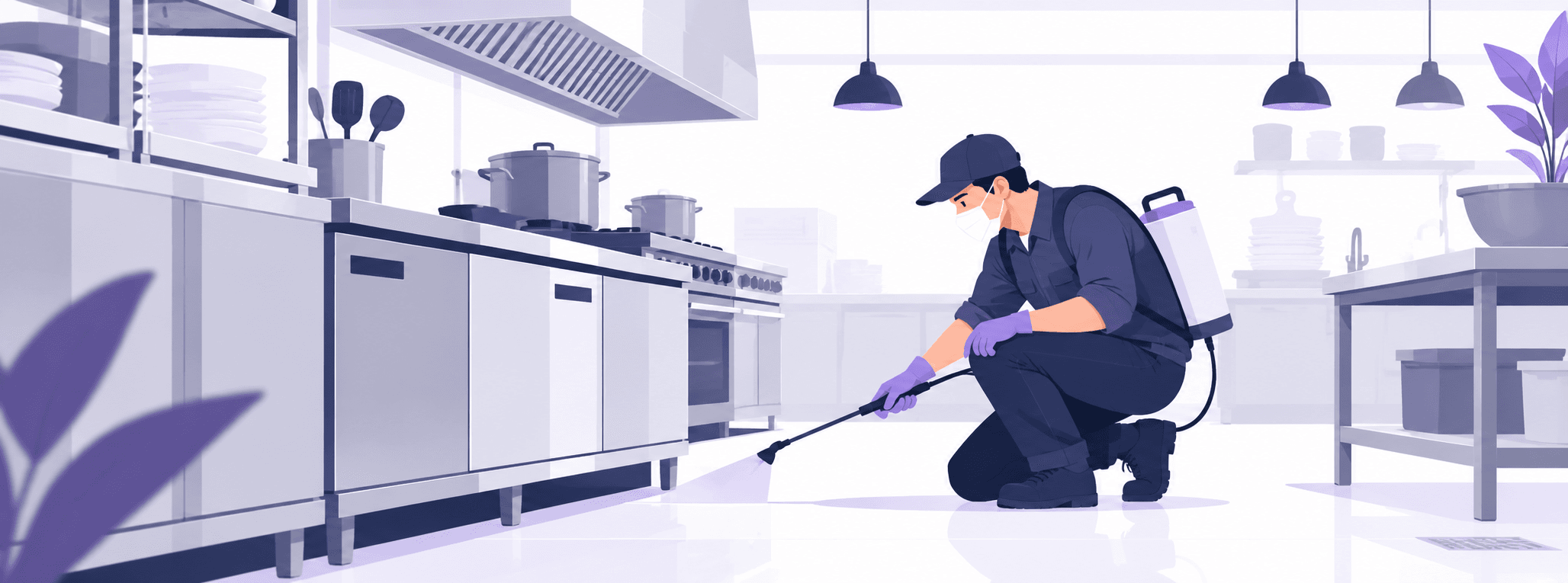
Commercial inspections must account for operations, occupants, food areas, employee access, shared walls, and building schedules. In a restaurant, the technician may need to coordinate around food preparation, storage, customer areas, and sanitation procedures.
Apartment and rental properties can be more complicated because ants may travel between units, corridors, balconies, utility spaces, attics, and exterior walls. Treating only the unit where ants were first reported may not address activity elsewhere in the structure.
A business or property manager should identify restricted areas, keys, alarm procedures, roof access, mechanical rooms, and any time when treatment would cause the least disruption.
What property managers should document and communicate
Record the date, location, and pattern of each sighting. Keep photographs, tenant reports, maintenance records, leak reports, and information about previous treatments in one place.
Tell occupants what access is required and what they must remove before treatment. They should also know where ants were found, what preparation is expected, how re-entry will work, and whom to contact if activity continues.
Clear communication helps avoid missed units, inaccessible wall spaces, or repeated reports with no usable details. It also gives the technician a more accurate history during follow-up.
How treatment planning can limit disruption to occupants or customers
Treatment can often be planned around occupancy, food preparation, business hours, tenant schedules, or renovation work. Provide the technician with your operating constraints early so the inspection and treatment plan can be coordinated realistically.
For commercial properties, YYC Pest Control’s commercial pest control information explains the type of setting the company serves. Ask how the proposed work will affect access, preparation, re-entry, and any follow-up visit.
Request Carpenter Ant Control in Calgary
What information to provide when requesting a quote
When you request a quote, provide the property address, building type, approximate location of the activity, frequency of sightings, and any photos you have. Explain whether ants are inside, outside, in a wall, near a roof, or around a deck, shed, soffit, or foundation.
Also mention moisture problems, recent renovations, previous treatment, tenants, food operations, pets, and any deadline that makes the inspection urgent. A complete description helps the company understand whether you need a residential visit, a commercial inspection, or attention to a difficult access point.
YYC Pest Control’s wider service list includes residential and commercial pest control, pest inspections, ant and carpenter ant control, bed bugs, cockroaches, mice and rats, wasps, spiders, mosquitoes, flies, beetles, boxelder bugs, gophers, voles, sow bugs, squirrels, skunks, birds, solar-panel proofing, and access-point sealing. Mention the separate pest issue only if it is affecting the same property or inspection.
Which Calgary-area communities YYC Pest Control serves
YYC Pest Control serves Calgary and the surrounding communities of Airdrie, Cochrane, Okotoks, Chestermere, Carstairs, Strathmore, and Crossfield. Confirm the service area when arranging an appointment, especially for a property outside Calgary’s city limits.
You can review the full YYC Pest Control service area before requesting an inspection. Include the community and property type in your message so the company can direct the request correctly.
How to arrange an inspection for a home or business
Arrange an inspection by contacting YYC Pest Control with the sighting details and access information. Ask what the technician will inspect, how to prepare, where treatment may be applied, and what follow-up should look like.
For an urgent sighting, state exactly what makes it time-sensitive: ants emerging indoors, activity near food areas, a suspected wall or roof nest, customer or employee concerns, tenant disruption, or a renovation deadline. Then keep the suspected area accessible and follow the preparation instructions you receive.
Next step: record where you saw the ants, photograph any visible evidence, and request an inspection before treating the visible activity alone.