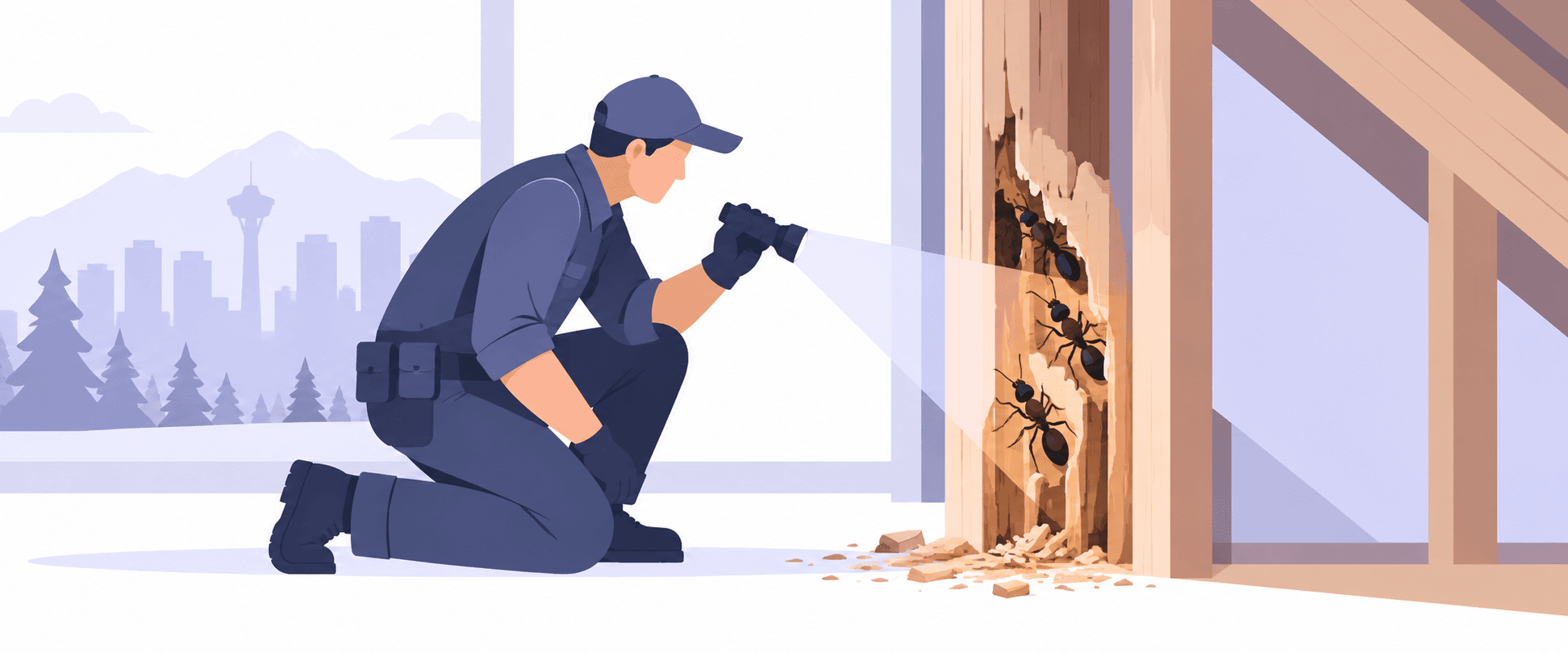
A bed bug inspection in a Calgary home should do more than confirm that a bug was seen. A qualified technician should identify the pest, inspect sleeping and resting areas, look for evidence in nearby rooms and access points, explain how extensive the activity appears to be, and provide clear treatment and follow-up steps. The same approach can apply in Airdrie, Cochrane, Okotoks, Chestermere, Carstairs, Strathmore, and Crossfield, although response times and appointment availability should be confirmed when you call.
When to Book a Bed Bug Inspection
Book an inspection as soon as you find a suspected bed bug, repeated unexplained bites, shed skins, dark spotting, or insects near a mattress, bed frame, sofa, or upholstered chair. Early assessment can clarify whether you are dealing with bed bugs or another pest and can help prevent unnecessary spraying, moving, or disposal of furniture.
An inspection is also sensible after travel, when a household member has brought home used furniture, or when activity has appeared in a rental unit, apartment, guest room, or business. Bed bugs can be difficult to locate by sight alone, so a single confirmed or suspected insect deserves attention even if no larger infestation is obvious.
Which signs suggest bed bugs rather than another pest?
Bed bugs are small, flat insects that tend to hide in cracks and protected spaces when they are not feeding. Signs may include:
- Live insects or dead insects around mattress seams and bed frames
- Pale shed skins or small eggs in protected crevices
- Dark spotting on mattress fabric, sheets, furniture, or nearby surfaces
- Small blood marks on bedding
- Activity around sofas, chairs, headboards, baseboards, or wall gaps
- A musty or unusual odour when activity is more established
These signs are not exclusive to bed bugs. Fleas, carpet beetles, cockroaches, and other insects can create confusing evidence, while marks on bedding may have several causes. A technician should identify the insect or evidence before recommending a treatment plan.
Why bites alone cannot confirm an infestation
Bites are not a reliable way to identify bed bugs because people react differently. Some people develop noticeable itchy marks, while others show little or no visible reaction. Marks can also be caused by mosquitoes, fleas, mites, skin irritation, or other conditions unrelated to insects.
The location and timing of bites can provide useful background, but they should not replace an inspection. If possible, keep photographs of any insects or marks and note when symptoms appeared, where people sleep, and whether more than one person is affected. Avoid scratching, crushing, or discarding potential evidence before the appointment.
When a same-day or 24-hour response may be appropriate
Urgent contact may be appropriate when a live insect has been found in a bedroom, when activity is affecting several residents, or when a property is occupied by guests, tenants, customers, or employees. A prompt visit can be especially important in an apartment building, rental property, restaurant, or business where activity may affect adjoining spaces.
Same-day or 24-hour availability is not automatic for every address or situation. When you call, describe the location, the evidence you found, whether anyone has recently travelled, and whether the issue affects a home or commercial property. Ask when an inspection can realistically take place and what to do before the technician arrives.
What a Calgary Home Inspection Covers
A home inspection should follow the evidence rather than focus only on the place where a bug was first noticed. The technician may begin in the bedroom, then assess nearby furniture, walls, baseboards, closets, living areas, and adjoining rooms. The purpose is to understand both where activity is visible and where insects could be hiding.
A careful inspection does not necessarily mean dismantling every item in the home. The technician should explain what is being checked, what can be moved safely, and what evidence supports the conclusion.
Where the technician looks first in bedrooms and living areas
Bedrooms are usually a logical starting point because beds provide protected resting areas and are often close to walls, baseboards, nightstands, and upholstered furniture. The technician may examine the mattress, box spring or foundation, headboard, bed frame, bedside tables, curtains, nearby electrical or wall openings, and the floor around the bed.
In living areas, attention may turn to sofas, recliners, upholstered chairs, cushions, seams, removable covers, and furniture positioned against walls. If someone regularly sleeps or rests on a sofa, that area should be treated as an important inspection zone rather than a secondary location.
How mattresses, bed frames, furniture, and baseboards are checked
Mattresses are checked along seams, labels, piping, handles, corners, and underneath edges. Bed frames and headboards can contain joints, screw holes, cracks, and concealed spaces that provide shelter. Furniture should be inspected underneath, behind drawers, inside joints, and where fabric meets the frame.
Baseboards, floor transitions, wall gaps, and loose trim may also be checked, particularly near beds and upholstered furniture. A technician may use a flashlight and close visual examination to locate live insects, eggs, shed skins, spotting, or other evidence. The inspection should distinguish between confirmed signs and areas that are simply considered at risk.
Why adjoining rooms and access points also matter
Finding activity in one room does not prove that the problem is limited to that room. Bed bugs can move through cracks, gaps, furniture, belongings, and shared building spaces. In apartments and attached homes, neighbouring units or common areas may also need consideration if the evidence suggests movement beyond one residence.
Access points matter because gaps around baseboards, pipes, wiring, vents, doors, and wall penetrations can provide routes into protected spaces. Sealing work may be relevant to some pest problems, but it should not be presented as a substitute for a bed bug treatment plan when bed bugs are confirmed.
What professional tools and evidence may be used
A technician may use a bright inspection light, magnification, collection tools, protective equipment, and a container or other method for preserving a specimen. Photographs may help document findings and explain the recommendation to the homeowner, tenant, or property manager.
The strongest evidence is a properly identified insect or a combination of consistent signs found in suitable hiding places. Ask whether the technician has identified the pest, what evidence was found, which areas were inspected, and whether any areas could not be accessed.
How to Prepare Before the Technician Arrives
Preparation should make the property easier to inspect without disturbing evidence. The goal is access, not a major cleanout. If you are unsure whether an action could spread insects or remove useful evidence, ask the company before doing it.
What not to move, throw away, or spray before inspection
Do not throw out mattresses, furniture, clothing, or bedding before the technician has assessed the situation. Moving infested items through the home can spread activity and may remove evidence that helps identify the source.
Avoid applying store-bought sprays, foggers, powders, or household cleaners immediately before the inspection. These products may kill visible insects without resolving hidden activity, and residues can affect the technician’s ability to assess the site or plan treatment. Do not move furniture from an affected room into another room unless instructed.
How to make beds, furniture, closets, and baseboards accessible
Remove loose items from the floor around beds and upholstered furniture. Keep the area around baseboards, bed frames, closets, and nightstands accessible enough for close inspection. If practical, place clothing and personal items in sealed bags or containers rather than spreading them across other rooms.
Do not strip the bed and take all bedding to another part of the home without guidance. Leave potentially affected items available for inspection, and ask how bedding should be handled. Clear access is helpful, but the technician should tell you what preparation is required before any treatment.
What information to gather about bites, sightings, and previous treatments
Write down when the problem started, where the first evidence appeared, and whether the activity has changed. Useful information includes:
- Where live insects or signs were found
- Which rooms are used for sleeping or resting
- Whether anyone recently travelled or brought in used items
- Whether bites or skin irritation affect one person or several
- Whether sprays, foggers, laundering, furniture removal, or other treatments were attempted
- Whether the home is attached to another unit or part of a larger building
If you have a specimen, photograph, or previous service report, keep it available. Do not rely on memory alone when several rooms or occupants are involved.
How tenants, landlords, and property managers should coordinate access
Tenants should notify the landlord or property manager promptly and ask who will authorize inspection and treatment. Landlords and managers should coordinate access to the affected unit, adjoining units where appropriate, common areas, and any rooms that may contain evidence.
Commercial operators should consider how the inspection will affect customers, employees, residents, food-service areas, bedrooms, or operating hours. The company’s commercial pest control service is relevant when the inspection concerns a restaurant, rental property, apartment property, or other business premises rather than a private home.
What Happens During the Appointment
The appointment should produce a clear finding and a practical next step. That may be confirmation of bed bugs, evidence of another pest, or an inconclusive result where access was limited or signs were not sufficient. A responsible recommendation should match the evidence rather than assume every suspected insect is a bed bug.
How the technician identifies the pest and assesses its extent
The technician may collect or closely examine specimens, inspect likely harbourages, and map where evidence was found. The assessment should distinguish between the room where the first sighting occurred, rooms with confirmed evidence, and rooms that were inspected but showed no signs.
Ask whether the activity appears isolated or spread across multiple areas. In a multi-unit building, also ask whether the findings suggest that management should inspect adjoining units or coordinate with residents.
Questions to ask about findings, treatment options, and safety
Before agreeing to treatment, ask:
- What pest was identified, and what evidence confirms it?
- Which rooms or items showed signs of activity?
- Which areas were inspected but showed no evidence?
- What treatment options are being recommended?
- What must residents, pets, tenants, employees, or customers do before and after treatment?
- Are there re-entry instructions or ventilation requirements?
- Will follow-up visits be needed, and what would trigger them?
- What should be reported between appointments?
The answers should be specific to the property. If the recommendation is based on an assumption rather than an identified pest or documented evidence, ask what further inspection would clarify the situation.
How an inspection differs from a quick spray
An inspection is an assessment; spraying is a treatment activity. A quick spray may address a visible insect or surface area without identifying where the pest is hiding, how far activity extends, or what preparation and follow-up are required.
For bed bugs, hidden harbourages and dispersed belongings can make a room-by-room assessment important. The bed bug control service should be discussed after the inspection has established what is present and what treatment sequence is appropriate.
What affects the recommended treatment plan
The plan may be affected by the number of rooms involved, the type and amount of furniture, the condition of baseboards and wall gaps, access to beds and closets, the presence of pets or children, and whether the property is a single home or a connected building. Previous sprays or other treatments may also affect the assessment.
The technician should explain preparation, treatment areas, resident responsibilities, expected follow-up, and any limits of the recommendation. Ask for the plan in writing so that everyone responsible for the property receives the same instructions.
What to Do If Bed Bugs Are Confirmed
Confirmation is stressful, but it gives you a defined problem to address. Follow the written instructions carefully and avoid taking separate actions that move items or insects through the home. If several people share the property, agree on one coordinated plan.
Why treating only the room where bugs were seen may fail
Bed bugs can be present in nearby furniture, living areas, adjoining rooms, or concealed gaps even when they were first noticed beside one bed. Treating only the original sighting location may leave other harbourages untouched.
The appropriate scope should be based on inspection findings and the building layout. In attached housing, property managers may need to coordinate assessment beyond one unit if the circumstances suggest possible movement.
How professional treatment and follow-up visits may be planned
A treatment plan may include preparation, an initial service, monitoring, and a follow-up inspection or treatment when recommended. The timing and number of visits should not be assumed; ask what the company recommends for your property and what conditions would require another appointment.
Follow-up is useful when new evidence appears, when access was limited during the first visit, or when the technician needs to reassess treated areas. Keep records of dates, rooms inspected, instructions received, and any activity noticed afterward.
What residents should do with bedding, clothing, and personal items
Follow the company’s instructions for bedding, clothing, luggage, and personal items. Avoid carrying loose belongings from an affected room into clean rooms. Keep items contained and organized so they can be handled according to the treatment plan.
Do not discard large furniture unless instructed. Removal can spread insects through hallways, elevators, vehicles, or other rooms, and it may eliminate useful evidence. Ask how to label, isolate, or prepare items before moving them.
Why do-it-yourself sprays can complicate professional treatment
Repeated or uncoordinated spraying can drive insects into less accessible spaces, leave residues, or make it harder to determine what remains active. Foggers and broad household applications may also create safety concerns when used around people, pets, food, fabrics, or electrical equipment.
If you have already used a product, tell the technician what it was, where it was applied, and when it was used. The information can affect preparation and treatment decisions.
Safety and Follow-Up After Inspection
Safety instructions should be part of the service discussion, not an afterthought. Ask for written directions covering preparation, treatment, re-entry, ventilation, pets, children, food, bedding, and personal items. Do not re-enter or resume normal use of a treated area until the company’s instructions allow it.
How to understand product instructions and re-entry requirements
Read the service documentation before treatment begins. Confirm which rooms must be vacated, how long people and pets must remain away if applicable, whether food and personal items need protection, and what ventilation or cleaning instructions apply.
If instructions are unclear, ask before the technician leaves. Do not assume that a room is safe to use simply because the surface appears dry or the odour has faded.
What to monitor between treatment visits
Monitor the areas identified in the service plan and record any live insects, new spotting, shed skins, or other evidence. Note the date, location, and whether the insect was collected or photographed. Avoid making unplanned changes that could interfere with the follow-up assessment.
New evidence does not automatically mean the treatment failed. It may indicate that further inspection, access to another area, or a follow-up service is needed. Report observations through the contact method provided by the company.
When additional inspection or follow-up treatment is needed
Request follow-up guidance if live activity continues, evidence appears in a room that was not previously affected, or residents cannot complete the required preparation. Additional assessment may also be needed after furniture is moved or a previously inaccessible area becomes available.
In an apartment or commercial property, new reports from another unit or work area should be shared with the person coordinating the service. A coordinated response is easier when records and access arrangements are kept together.
How sealing gaps and correcting access points supports prevention
Correcting gaps around trim, pipes, doors, wiring, and other building openings can support broader pest prevention, especially where insects or rodents may use building access points. For bed bugs, sealing alone will not remove an established infestation, so it should be considered alongside—not instead of—the recommended treatment.
The residential pest control service can be a practical contact when a Calgary household needs an inspection or treatment plan for a home and wants the property’s wider pest concerns considered.
Choosing a Calgary Bed Bug Inspection Company
Choose a company that will explain what it inspected, what it found, what it recommends, and what you must do next. A clear process matters more than a vague promise of a quick result, especially when the problem affects a family, tenants, guests, customers, or employees.
Questions about licensing, products, experience, and written recommendations
Ask whether the technician is appropriately licensed for the work, what products or methods may be used, and what safety documentation is provided. Ask how the company handles bed bug identification, multi-unit properties, follow-up visits, and areas that cannot be accessed.
Request written findings and preparation instructions. A written recommendation should identify the pest, describe the inspected areas, outline the proposed treatment, and explain follow-up responsibilities without overstating what can be known from one visit.
How to compare a clear inspection plan with a low-cost spray-only offer
A low-cost spray-only offer may not answer the questions that led you to call: where the insects are hiding, whether another room is involved, and what happens if activity returns. Compare the scope of the inspection, the explanation of findings, preparation requirements, safety instructions, and follow-up process.
The most useful quote is one that makes the service boundaries understandable. Ask what is included, what is not included, whether follow-up is separate, and what could change after the technician inspects the property.
What to confirm about quotes, response times, and service areas
Before booking, confirm the property address, service type, availability, inspection scope, treatment areas, written instructions, and any conditions that affect the quote. Ask whether the company serves your community, including Calgary, Airdrie, Cochrane, Okotoks, Chestermere, Carstairs, Strathmore, or Crossfield.
You can review the company’s stated locations through its pest services area. If the issue is urgent, ask directly whether same-day or 24-hour attendance is available for your address rather than assuming it is guaranteed.
When YYC Pest Control may be a practical next step for Calgary homes
YYC Pest Control may be a practical next step when you need a Calgary-area inspection, have suspected bed bug activity, or want a written recommendation before treatment. The company also lists broader home and business pest services, so it may be useful when the inspection reveals another issue or when a property has more than one pest concern.
Contact the company with the address, the suspected pest, the rooms affected, the evidence found, and any previous treatment details. The immediate goal is simple: arrange an inspection, protect access to the evidence, and leave with clear instructions for what happens next.