Spotting a pest in your Calgary home or business does not always mean you have a major infestation, but it is a reason to document what you saw, secure food and entry points, and arrange an inspection if the signs continue or the pest may be nesting inside the building. YYC Pest Control can assess the pest, look for access points and contributing conditions, explain the recommended treatment, and identify what needs to happen next for residential, commercial, and urgent situations.
What to Do When You Spot a Pest
Which signs should you document before calling?
Start by recording what you can without disturbing the pest, nest, droppings, or damaged area. A clear photo can help a technician prepare, especially when the pest is no longer visible by the time an appointment is arranged.
Write down:
- What you saw and how many pests were present
- Where you saw it, such as a kitchen, attic, wall, roofline, deck, shed, restaurant area, or rental unit
- When you noticed it and whether you have seen activity before
- Whether you found droppings, gnaw marks, nesting material, shed skins, holes, damage, or an unusual smell
- Whether the pest was flying, crawling, burrowing, entering through a gap, or coming from a wall or ceiling
- Whether children, pets, customers, employees, or tenants may have been exposed to the area
Do not put yourself at risk to get a closer photograph. A distant image, written description, and the location of the sighting are more useful than opening a wall, approaching a wasp nest, or reaching into an attic.
What food, water, and entry points should you remove or secure?
Keep food in sealed containers, clean crumbs and spills, close garbage containers, and avoid leaving pet food or water out longer than necessary. Repair or report dripping taps and other moisture problems where possible, since water can make an area more attractive to insects and rodents.
Check for obvious openings around doors, windows, utility lines, vents, roof edges, soffits, decks, sheds, and foundation areas. Do not seal an opening if an animal may still be inside; closing an active entry point can trap wildlife in a wall, attic, roof space, or other part of the building.
For a business or rental property, preserve useful information rather than cleaning away every sign before the inspection. Staff, tenants, or maintenance workers should note where activity was found and whether it has affected food preparation, customer areas, storage rooms, living spaces, or building operations.
When does one sighting suggest a larger infestation?
One pest may be an isolated event, but the surrounding evidence matters. Repeated sightings, activity during both day and night, droppings in more than one location, scratching in walls or ceilings, damaged food packaging, nesting material, or pests appearing after a temporary treatment all justify a closer inspection.
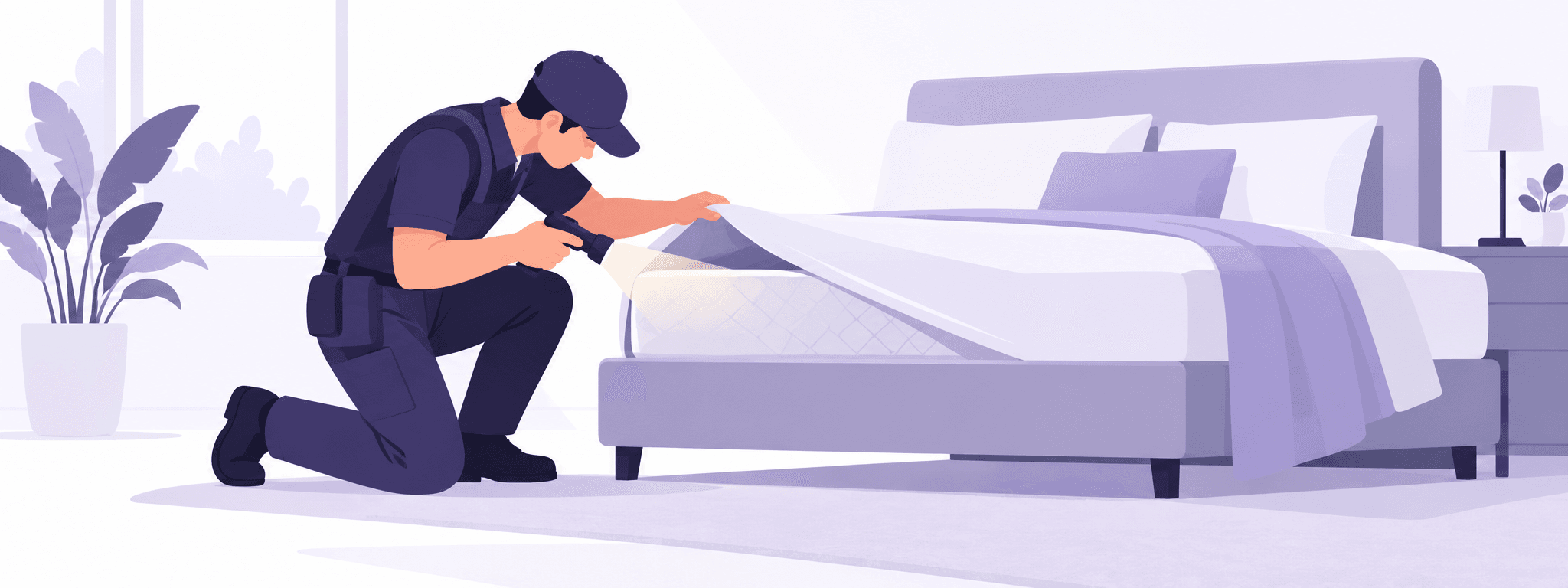
Some pests are difficult to see even when they are established. A mouse may enter through a small opening and remain hidden, while bed bugs may be present near sleeping areas without being noticed immediately. Ants, cockroaches, wasps, birds, squirrels, and other pests may also be associated with a nest, colony, building opening, or nearby exterior condition.
The safest next step is to explain the evidence and let a technician determine whether the sighting is isolated or connected to a broader problem.
When to Call YYC Pest Control
Which pest problems need a fast response?
Request prompt help when a pest is entering the building, nesting in a wall or roof, appearing in a food-service area, affecting customers or employees, or creating a safety concern. A wasp nest near an entrance, bed bug activity in a rental unit, rodents in a restaurant, or wildlife inside an attic should not be treated as a routine nuisance.
Urgent attention may also be appropriate when the pest is difficult to reach, the activity is spreading, or the problem is interfering with a renovation deadline, business operation, move-in date, or dog daycare. Tell the company why the situation is time-sensitive when you call so the request can be assessed accurately.
Same-day or 24-hour response language describes how quickly a request may be addressed, not a promise that every treatment will be completed immediately. The first step may be a phone assessment, an inspection, emergency removal, or advice about protecting the area until a technician arrives.
When should homeowners request an inspection instead of trying a DIY spray?
Arrange an inspection when you do not know what the pest is, where it is entering, or whether it is still inside. Spraying the visible pest may remove the immediate evidence without addressing a nest, colony, food source, moisture condition, or access point.
Professional assessment is especially important for pests in walls, attics, soffits, roofs, decks, solar panels, or other locations that are difficult or unsafe to reach. It is also appropriate when an earlier treatment seemed to work but activity returned.
YYC Pest Control’s residential pest control service is relevant when the problem affects a home, townhouse, apartment, or other residence. During the call, describe the pest, the building type, the location, and any treatment already attempted.
What should businesses do when pests affect customers, staff, or rental units?
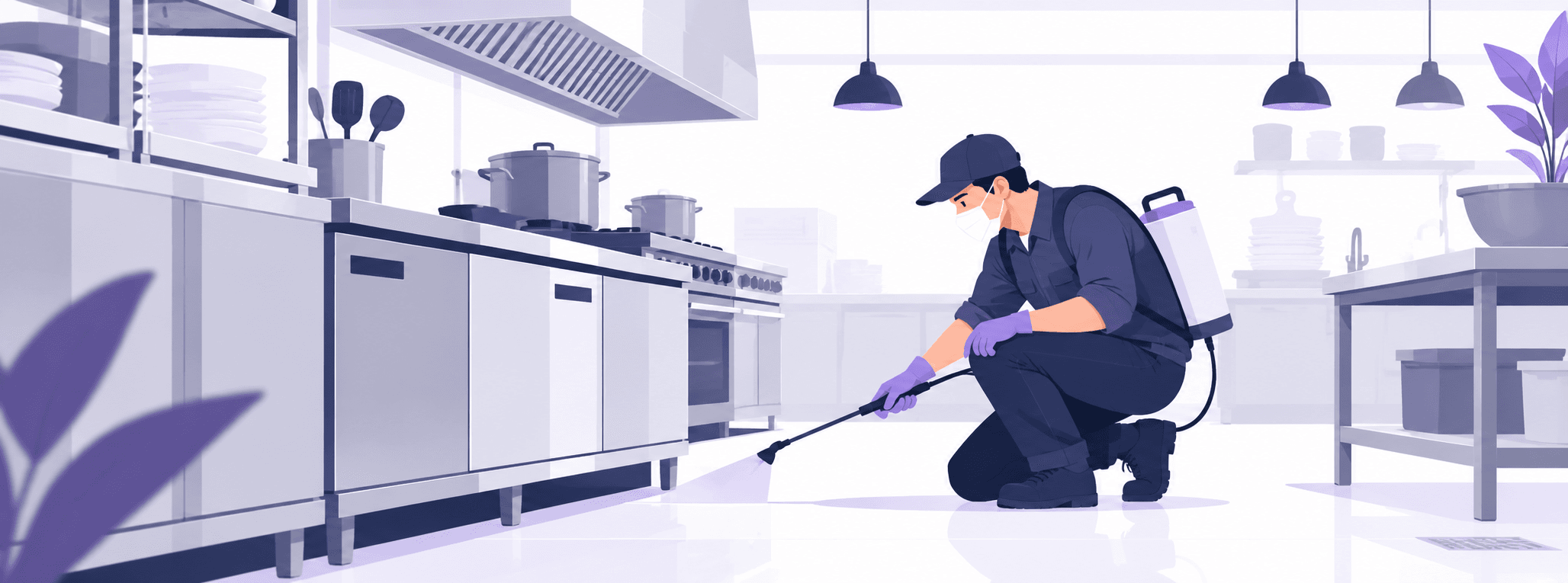
Businesses should limit access to the affected area where practical, protect food and preparation surfaces, and record when and where the activity was found. Restaurant operators should follow their normal food-safety and cleaning procedures while arranging an assessment, rather than moving contaminated materials through other parts of the premises.
Property managers should collect reports from tenants, maintenance staff, and building operators. Note whether activity is limited to one unit or appears in shared walls, hallways, utility areas, storage rooms, garbage areas, attics, or exterior spaces.
The commercial pest control service can help businesses and property operators plan an inspection around their premises and operations. Provide access to affected areas and explain any restrictions involving customers, employees, tenants, pets, food handling, or scheduled work.
What the Inspection Covers
How does a technician identify the pest and find its source?
A technician begins with the evidence available: photographs, the location of sightings, droppings, damage, nesting material, sounds, tracks, and the conditions that may be attracting or sheltering the pest. Identification matters because the appropriate treatment and follow-up can differ between rodents, insects, birds, and other wildlife.
The technician may ask when the activity began, whether it is increasing, what areas have already been treated, and whether anyone has seen the pest entering or leaving. Those details help connect an indoor sign to an exterior opening, roofline, wall void, nest, food source, or moisture problem.
The inspection should leave you with a clearer explanation of the problem, not just a recommendation to spray. Ask what was found, what needs to be treated, what access points need attention, and what you should expect after the visit.
Which indoor and outdoor areas may be checked?
The areas checked will depend on the pest and the building, but may include kitchens, bathrooms, basements, utility rooms, storage spaces, bedrooms, wall edges, attics, crawl spaces, garages, and common areas. Outdoor checks may include foundations, decks, sheds, fences, rooflines, soffits, vents, garbage areas, vegetation, and other places where pests may shelter or enter.
For apartment buildings and rental properties, the inspection may need to consider neighbouring units or shared structures when the evidence points beyond one room. For businesses, the technician may review customer areas, kitchens, food storage, receiving areas, waste areas, staff spaces, offices, and building exteriors.
Tell the technician about areas that are locked, difficult to access, or likely to contain a nest or animal. A complete assessment can be limited if important spaces cannot be safely inspected.
How are access points, nests, droppings, damage, and moisture assessed?
Access points are examined for size, location, signs of use, and the type of pest that could pass through them. The technician may look around vents, roof edges, soffits, utility penetrations, doors, windows, foundation gaps, and openings near decks or other attached structures.
Droppings, gnaw marks, nesting material, feathers, holes, grease marks, shed skins, and damage can indicate where pests travel or shelter. Moisture, leaks, condensation, standing water, and damp organic material may also help explain why activity is continuing.
The inspection should distinguish between evidence of current activity and old damage. That distinction helps determine whether treatment, removal, exclusion work, monitoring, or a combination of steps is appropriate.
Treatment Options by Pest
How are ants, cockroaches, bed bugs, spiders, wasps, and mosquitoes treated?
Treatment is selected after the pest and its location are assessed. Ant control may require attention to trails, colonies, food sources, and entry points; carpenter ants may also require investigation of damp or damaged wood. Cockroach and bed bug work requires careful attention to where the pests hide and how activity may spread through a building.
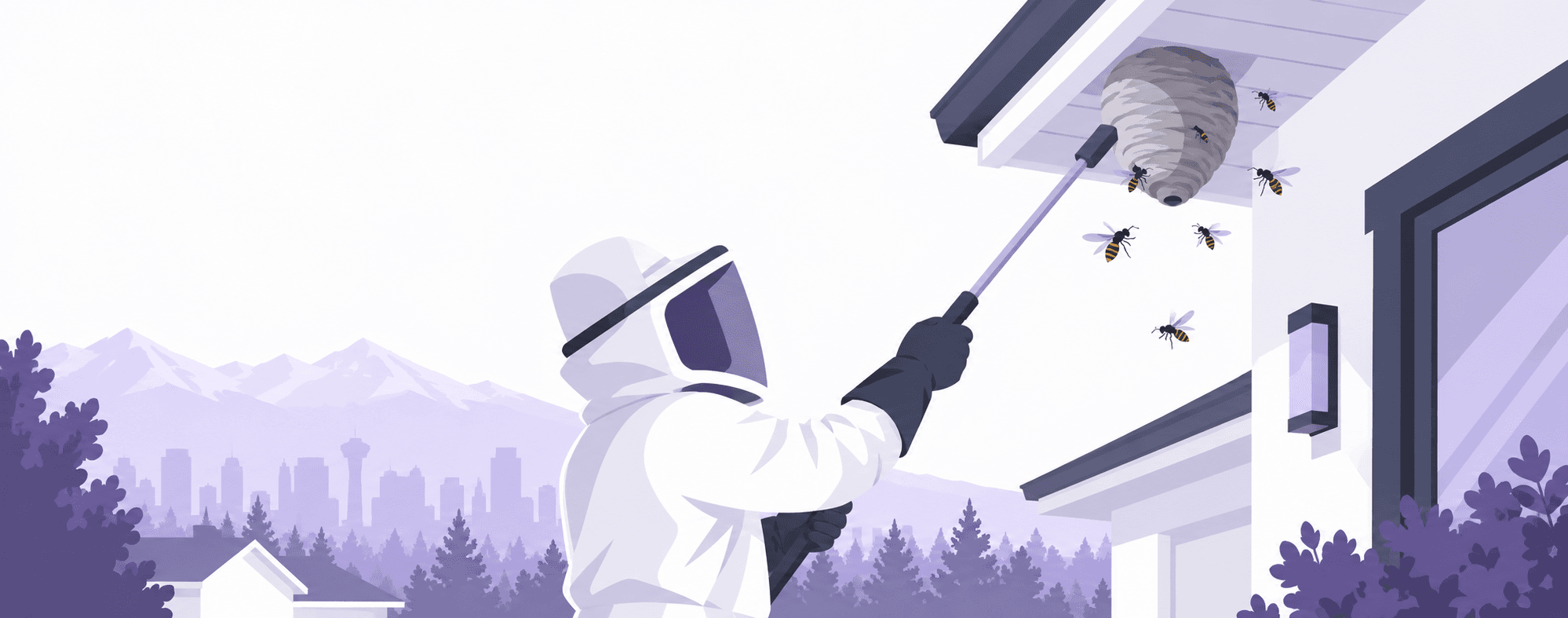
Wasps require particular caution because disturbing a nest can increase the risk of stings. Spiders and mosquitoes may be associated with exterior conditions, shelter, standing water, openings, or other areas that need attention alongside treatment.
For pest-specific information, see YYC Pest Control’s ant control service, bed bug control service, cockroach control service, wasp control service, and spider control service. The company’s listed offerings also include residential and commercial pest control, inspections, mice, rats and rodents, flies, beetles and carpet beetles, boxelder bugs, gophers and pocket gophers, voles, sow bugs, squirrels, skunks, birds, bird and solar-panel proofing, and exclusion and access-point sealing.
What approaches are used for mice and rats?
Rodent work starts with locating activity and identifying how mice or rats are getting inside. The technician may assess droppings, gnawing, nesting, sounds, food access, travel routes, and openings around the structure.
Treatment should be considered together with exclusion. Removing or controlling the rodents without addressing the entry point can leave the building vulnerable to repeat activity, especially where gaps exist around foundations, vents, doors, roofs, utility lines, or wall penetrations.
See the mice control service for more information about the type of problem that should be discussed when requesting an assessment. Report scratching, odours, droppings, or repeated sightings even if the animal itself is no longer visible.
When are wildlife, bird, squirrel, or skunk services appropriate?
Removal and relocation services may be appropriate when birds, squirrels, skunks, or other wildlife are entering a building, nesting in a roof or attic, using a soffit, or creating a problem around a structure. Bird and solar-panel proofing may be relevant when birds are nesting beneath panels or accessing roof areas.
Do not approach a wild animal, disturb a nest, or block an opening before the situation is assessed. The technician needs to determine whether an animal is present, whether young may be involved, and how to remove or relocate it without creating a new access or safety problem.
Describe the animal’s location, movement, noise, visible damage, and likely entry route. These details help determine whether the next step is removal, relocation, proofing, or sealing after the animal has left.
Exclusion and Prevention Work
Which gaps, vents, rooflines, and openings can let pests inside?
Pests can use openings around doors, windows, pipes, cables, vents, rooflines, soffits, foundations, decks, garages, sheds, and solar-panel installations. The opening may be easy to see from outside but hidden from inside, or it may be concealed behind siding, trim, insulation, or roofing materials.
Rodents, squirrels, birds, insects, and other pests use different routes and may exploit damaged screens, loose flashing, gaps under doors, broken vents, or deteriorated sealant. A technician can assess the size and location of the opening and whether it shows signs of active use.
For apartments and commercial premises, shared construction can make the source harder to locate. A pest found in one room may be entering through a neighbouring unit, common wall, service chase, roof space, or exterior building defect.
Why is sealing entry points important after treatment?
Treatment addresses the pest activity that has been identified. Sealing the route used to enter helps reduce the chance that new pests will come back through the same opening.
Timing matters. An opening should not be sealed blindly if an animal may still be inside, and it should not be treated as the only solution when food, water, nesting material, or building moisture is sustaining the problem.
Ask which openings were found, which can be sealed immediately, and which require removal or monitoring first. A clear explanation makes it easier to plan repairs and avoid paying for repeated treatment without addressing the source.
What maintenance steps reduce the chance of a repeat problem?
Keep doors, screens, vents, and roof areas in good repair. Store food and waste securely, correct leaks, reduce standing water, maintain exterior lighting and vegetation where they contribute to activity, and inspect areas where utilities or building additions meet the main structure.
After treatment, follow the technician’s directions about cleaning, re-entry, ventilation, food storage, and access restrictions. Report new activity promptly rather than waiting until signs appear in several rooms or units.
Property managers should keep records of inspections, repairs, tenant reports, and follow-up visits. That information can reveal recurring access points or patterns across a building.
Safety, Timing, and What to Expect
How are professional-grade and Health Canada-approved products used safely?
Professional-grade and Health Canada-approved products should be used according to their labels and the technician’s instructions. The technician should explain where treatment will occur, what must be cleared or covered, and when people and pets can return to the area.
Do not assume that more product means better control. Keep residents, employees, customers, and pets away from treated areas for the required period, and do not move treated materials or disturb nests unless instructed.
Tell the company in advance about children, pets, allergies, mobility concerns, food preparation, tenants, customers, and other site conditions. This information helps the technician plan the work safely.
What should residents, pets, employees, and customers do before treatment?
Preparation will depend on the pest and treatment area. You may be asked to clear cupboards, move items away from walls, secure food, cover or remove pet dishes, provide access to storage areas, or keep people and animals out of specific rooms.
Businesses should identify customer-facing areas, food-handling zones, staff spaces, receiving areas, and any scheduling limits. Rental property managers should notify occupants about access requirements and make sure the technician can inspect the locations where activity was reported.
Ask for written or clearly explained preparation instructions before the appointment. If you cannot complete a requested step, tell the company rather than guessing or cancelling without explanation.
What does same-day or 24-hour response mean for the next step?
A same-day or 24-hour response may mean that your call or online request is addressed within that timeframe, subject to the pest, location, technician availability, and nature of the problem. It does not necessarily mean that a full inspection, treatment, exclusion repair, and follow-up will all occur within the same period.
When you contact YYC Pest Control, explain whether the issue involves a wasp nest, bed bugs, rodents, wildlife, a commercial food area, a tenant, or an animal inside the structure. Ask what can happen during the first visit and whether preparation or access is required.
If the problem presents an immediate safety risk, keep people and pets away from the affected area while waiting for instructions. Do not disturb an active nest or trap an animal inside a wall or roof space.
Service Areas, Quotes, and Next Steps
Which Calgary-area communities does YYC Pest Control serve?
YYC Pest Control serves Calgary and the surrounding communities listed for its service area, including Airdrie, Cochrane, Okotoks, Chestermere, Carstairs, Strathmore, and Crossfield. Confirm the exact address and service availability when requesting an appointment, particularly for commercial premises or properties outside Calgary.
The Pest Services Area page is the appropriate place to review the listed communities. Give the full service address and describe whether the request is for a home, rental unit, apartment property, restaurant, office, renovation site, or another business.
What information should you provide when requesting a quote?
A useful request includes:
- The pest you saw, or a description if you are unsure
- The address and community
- The affected room, building area, or exterior location
- When the activity began and whether it is recurring
- Photos or other evidence, if safely available
- Signs of entry, nesting, droppings, damage, or moisture
- Any previous treatment
- The presence of children, pets, tenants, employees, customers, or food areas
- The timing problem, such as a wasp nest near an entrance or activity affecting a business
A quote or recommendation may require an inspection because the source, extent, and access points cannot always be confirmed from a phone description. Ask what the first visit covers and what information will be provided afterward.
How can homeowners and businesses schedule an inspection?
Contact YYC Pest Control with the details above and request the appropriate residential or commercial inspection. Explain whether you need help with an active infestation, a single urgent sighting, pest activity in a difficult location, or possible exclusion work.
Before the appointment, secure food and water sources, keep people away from hazardous areas, preserve useful evidence, and make sure the technician can access the reported locations. After the inspection, ask for the identified pest, source, recommended treatment, safety instructions, and next step.
The practical next step is simple: document what you saw, report where it happened, and schedule an inspection before the problem has more time to spread or return.