
Why Vole Control Matters
Voles feed on grass roots, plant roots, bulbs, shrubs and the bark of young trees. Over time this can:


Voles are small rodents, but their impact on lawns, gardens, and trees can be significant. At YYC Pest Control, we provide comprehensive vole-control in Okotoks. We help you identify vole activity, remove the pests, and restore and protect your outdoor spaces for the long term.
Voles feed on grass roots, plant roots, bulbs, shrubs and the bark of young trees. Over time this can:
Voles reproduce rapidly and remain active year-round, which means what seems like a small problem now can easily grow into a major damage issue if left unaddressed.

We survey your property to locate vole runways, burrow entrances, surface tunnels, and damage zones. This helps us design an effective treatment plan tailored to your yard.

Depending on the severity, we may employ safe trapping methods (snap traps or bait-stations) placed along active runways. For small populations or garden areas, this can quickly reduce vole presence.

We advise on modifying your yard to make it less attractive to voles: trimming dense vegetation, removing debris, keeping lawn mowed, and avoiding heavy mulch close to plant bases.

Vole problems often require repeated check-ups. We monitor trap success, inspect for new activity, and adjust treatment or barriers if necessary, to secure your yard long-term.
If vole damage has left visible scars — bare turf, bare patches, or damaged plants — we guide you on lawn repair (reseeding, topsoil replacement) and garden cleanup to help restore your yard’s health.
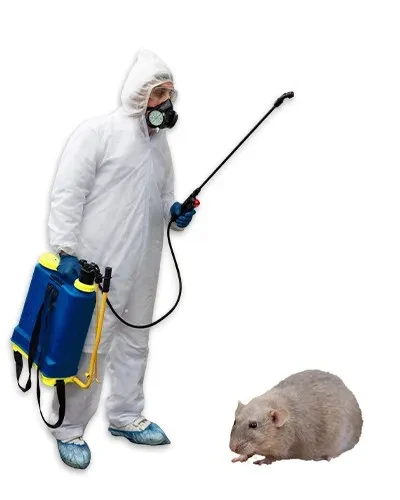
Watch for these warning signs:
YYC Pest Control is committed to protecting your home and family. We use industry approved solutions that are effective, long lasting, and tailored to Okotok's climate and housing structure. Your safety and satisfaction are our priority.
a:Yes, unlike some burrowing rodents, voles remain active year-round. That means the risk continues even through winter and snow.
a:You can, especially for small infestations. But correct placement — trap perpendicular to active runways — is key. For larger or persistent problems, a professional approach is more effective.
a:They can help, but they work best when combined with habitat changes (like clearing dense vegetation and removing cover). On their own, repellents often give only temporary relief.
a:Yes, with proper care. We recommend reseeding bare turf, restoring soil where runways were, and safeguarding plants with protective barriers. With timely repair, lawns and gardens can bounce back.
a:Absolutely. We use targeted traps and non-invasive measures. If any chemicals are used, they’re applied with care following all safety guidelines.
 Call Us