
Why Ignoring a Beetle Problem Can Cost You
Certain beetles feed on wood, fabrics, grains, and stored food—leading to:


Residential beetle infestations in Airdrie are closely linked to the city's rapid housing development. New-build homes introduce untreated lumber that attracts powderpost beetles and old house borers during construction, while the movement of furniture and stored goods into newly built properties accelerates the spread of carpet beetles and cigarette beetles. Airdrie's dry, semi-arid prairie climate also intensifies stored-product beetle pressure. Flour beetles, grain beetles, and larder beetles thrive in the low-humidity conditions common in Airdrie pantries and food storage areas. Because beetles complete their life cycle across egg, larva, pupa, and adult stages often entirely out of sight, professional inspection and targeted treatment are required to eliminate all life stages before widespread damage occurs.
Beyond new construction, Airdrie's location along the Nose Creek agricultural corridor and its direct adjacency to open prairie create consistent pressure from outdoor beetle species migrating into residential areas. Darkling beetles and false chinch beetles common in Alberta's prairie grasslands enter homes through foundation gaps and poorly sealed crawlspaces, particularly in properties backing onto undeveloped land or storm pond greenbelts. Unfinished basements, which are prevalent across Airdrie's newer housing stock, provide the dark, dry, undisturbed conditions that carpet beetles, larder beetles, and stored product species need to establish undetected. As Airdrie continues to expand outward into previously undisturbed land, this pressure on residential properties will only increase.
At YYC Pest Control, we provide residential beetle control in Airdrie tailored to the specific species pressures and housing conditions found across Cooper's Crossing, Bayside, Windsong, and the city's other growing communities. Whether the problem is powderpost beetles in structural lumber, carpet beetles in upholstery and stored clothing, or stored product beetles in pantry areas, our licensed technicians identify the exact species, locate the infestation source, and apply targeted treatment across all life stages. We also identify the entry points and attractants specific to your property and show you how to eliminate them so the infestation doesn't return.
Certain beetles feed on wood, fabrics, grains, and stored food—leading to:
Beetles reproduce quickly and often go unnoticed until they’ve already caused damage. Early detection and professional treatment are key.

Our technician inspects your home top to bottom including crawl spaces, attic insulation, and the wall cavities common in newer Airdrie builds to identify species and all infestation zones.

We apply targeted insecticide treatments to active beetle zones using Health Canada-approved products. For fabric-damaging species like carpet beetles, we treat storage areas, rugs, and upholstered furniture safely.

We identify and seal the gaps, foundation cracks, and ventilation openings that beetles use to enter your home focusing on areas particularly vulnerable in newer Airdrie construction.

We provide a written report, tailored prevention advice for your neighbour hood, and follow-up treatment if needed, backed by our satisfaction guarantee.

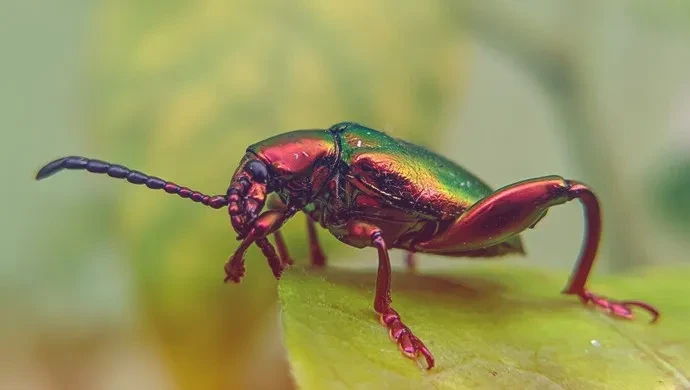
YYC Pest Control is committed to protecting your home and family. We use industry-approved solutions that are effective, long-lasting, and tailored to Airdrie's climate and housing structure. Your safety and satisfaction are our priority.
a:The most common species in Airdrie are carpet beetles (entering through stored goods), ground beetles (from surrounding agricultural land and Nose Creek fields), and powder post beetles (damaging hardwood floors and timbers).
a:New construction leaves microscopic gaps around window frames, utility entry points, and foundation slabs. Beetles from disturbed surrounding farmland exploit these openings easily.
a:Yes. We use Health Canada-approved products and provide clear guidance on re-entry times and any precautions needed for children and pets.
a:Most beetle activity decreases within 48–72 hours of treatment. Complete elimination of a larval cycle can take 2–4 weeks depending on species.
a:Yes, store natural fabrics in sealed containers, keep firewood away from the home, seal window screen tears, and vacuum regularly around baseboards and rugs. We provide a full prevention checklist after treatment.
a:Costs vary by species, severity, and home size. We provide free, no-obligation quotes tailored to your situation.
 Call Us